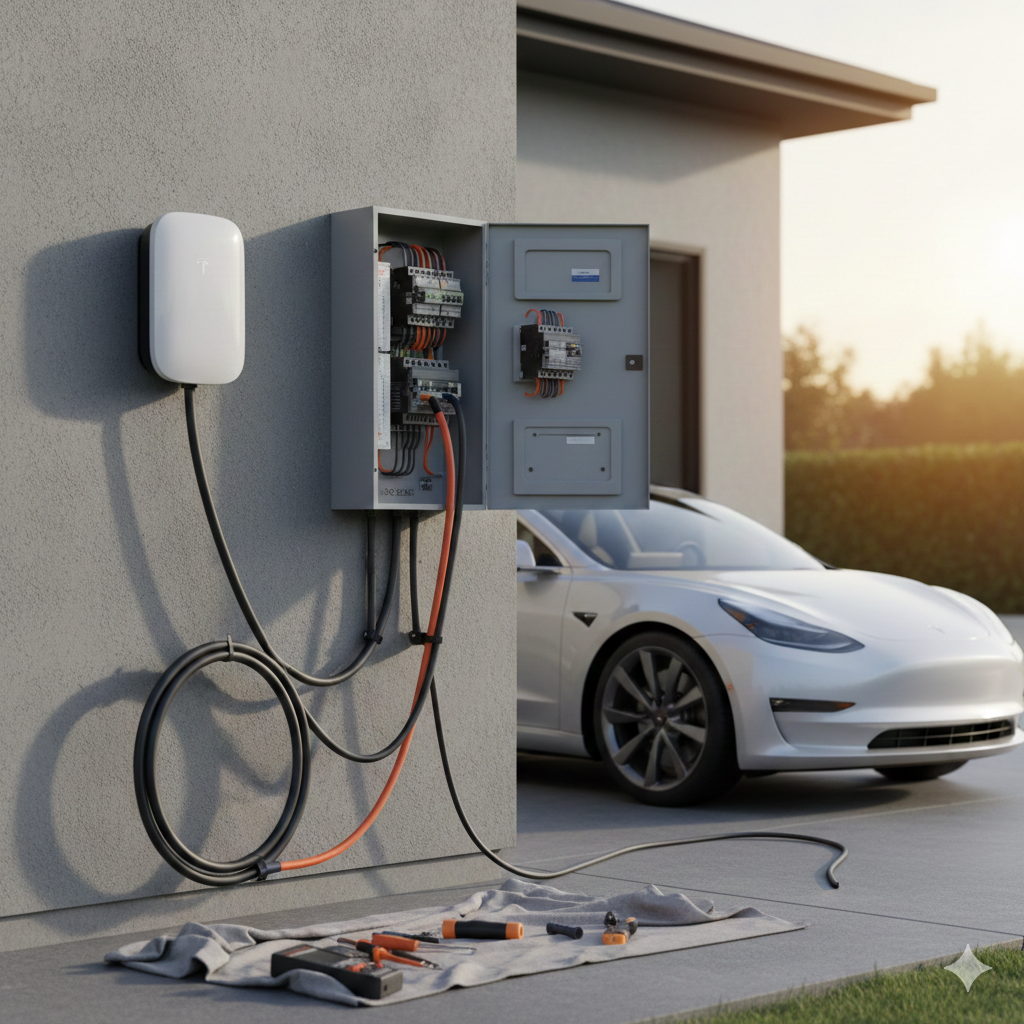
Thinking about “electrical panel replacement near me” means you want a safe, reliable upgrade that matches your home’s power needs and local code. Hire a licensed electrician nearby to inspect your system, give a clear quote, and complete the replacement to reduce fire risk and ensure your home can handle modern appliances.
You’ll learn how to compare local pros, what to expect during an inspection and replacement, and why upgrades improve safety and capacity. This article guides you through practical steps and safety benefits so you can make an informed decision quickly.
Choosing Electrical Panel Replacement Near Me
You should prioritize licensed, experienced electricians, clear pricing, and compliance with local electrical codes. Focus on electricians who provide written estimates, warranty details, and proof of permits for work in your municipality.
Local Electrician Selection
Look for electricians licensed in your province or state and listed with a local trade association or licensing board. Verify license numbers and call the issuing agency if anything looks questionable.
Check past work through recent customer reviews and ask for references from jobs similar to yours—especially homes of comparable age and panel type. Confirm the electrician carries general liability and worker’s compensation insurance; ask to see certificates.
Request a written scope of work that lists panel brand, amperage (e.g., 100A, 200A), breaker quantity, grounding upgrades, and any required subpanel changes. Ensure the quote includes permit pull, inspection fees, and disposal of the old panel so you avoid surprise charges.
Comparing Replacement Service Costs
Get at least three detailed written estimates to compare labor, materials, and permits. Look beyond the bottom line; cheaper bids may skip necessary grounding upgrades or use lower-quality breakers.
Ask each contractor to break out costs: panel unit, main breaker, labor hours, permit fees, inspection fees, and additional parts (wiring, lug replacements, surge protection). Note marked differences and question anything that seems omitted.
Factor in warranties and timelines. A longer labor warranty and a clear project schedule add value. Also consider electrician responsiveness, emergency availability, and whether they handle municipal inspections—those reduce coordination on your end.
Understanding Electrical Codes in My Area
Local electrical codes determine permitted panel types, required clearances, and whether you need a service upgrade to 200 amps. Contact your municipality or provincial electrical authority to confirm code editions in force.
Permits and inspections are usually mandatory for panel replacements. Verify who pulls the permit—some electricians include it; others expect you to handle it. Keep copies of permits and inspection approvals for resale or insurance needs.
Learn specific requirements such as arc-fault and ground-fault protection locations, mandatory tamper-resistant breakers, and bonding practices for water service or meter upgrades. An electrician should explain how their work will meet these code items and show inspection sign-off when complete.
Benefits and Safety of Electrical Panel Upgrades
Upgrading your electrical panel reduces fire and shock risk, increases circuit capacity, and lets high-demand appliances run without repeated breaker trips. Expect clearer labeling, modern safety devices, and room for additional circuits.
Enhanced Home Electrical Safety
Older panels can have loose connections, degraded bus bars, or obsolete breaker types that raise fire risk. Replacing the panel installs modern breakers and secure connections, reducing overheating and arcing points that cause most panel-related fires.
You get built-in safety features like arc-fault circuit interrupters (AFCIs) and ground-fault circuit interrupters (GFCIs) where required by code. Those devices detect hazardous conditions and cut power faster than a basic breaker.
Professional replacement also includes inspection of grounding and bonding, proper wire sizing, and corrected neutral-to-ground faults. Those steps limit shock hazards and ensure your system meets current electrical code requirements.
Improved Energy Efficiency
A new panel doesn’t generate electricity savings directly, but it prevents energy loss from poor connections and outdated components. Tight, corrosion-free terminals and properly matched breaker types reduce resistive heating and wasted energy.
Upgraded panels allow you to install modern circuit controls, such as dedicated circuits for high-draw loads and smart breakers that monitor consumption. That lets you identify and manage energy hogs, which can lower monthly usage.
You also gain the option to integrate subpanels, EV charger circuits, or solar inverter connections in an efficient layout. That planning avoids unnecessary extension cords, reduces voltage drop, and improves appliance performance.
Supporting Modern Appliance Loads
Many homes built decades ago were wired for a few light bulbs and small appliances. Today’s HVAC systems, induction ranges, electric vehicle chargers, and whole-home electronics demand higher continuous and peak currents.
Panel upgrades increase amperage capacity (commonly to 200 A) and add more circuit slots, so you can install dedicated lines for major appliances. Dedicated circuits prevent nuisance trips and protect equipment from repeated undervoltage events.
Upgrading ensures correct breaker types, conductor sizes, and coordinated protection for motors and sensitive electronics. That lowers the chance of damaged appliances, reduces service calls, and helps future-proof your home for new electrical needs.
- Typical upgrade benefits at a glance:
- Reduced fire/shock risk via AFCIs/GFCIs
- More circuit capacity for ovens, EV chargers, heat pumps
- Better efficiency through tighter connections and monitoring-ready breakers




Leave a Reply