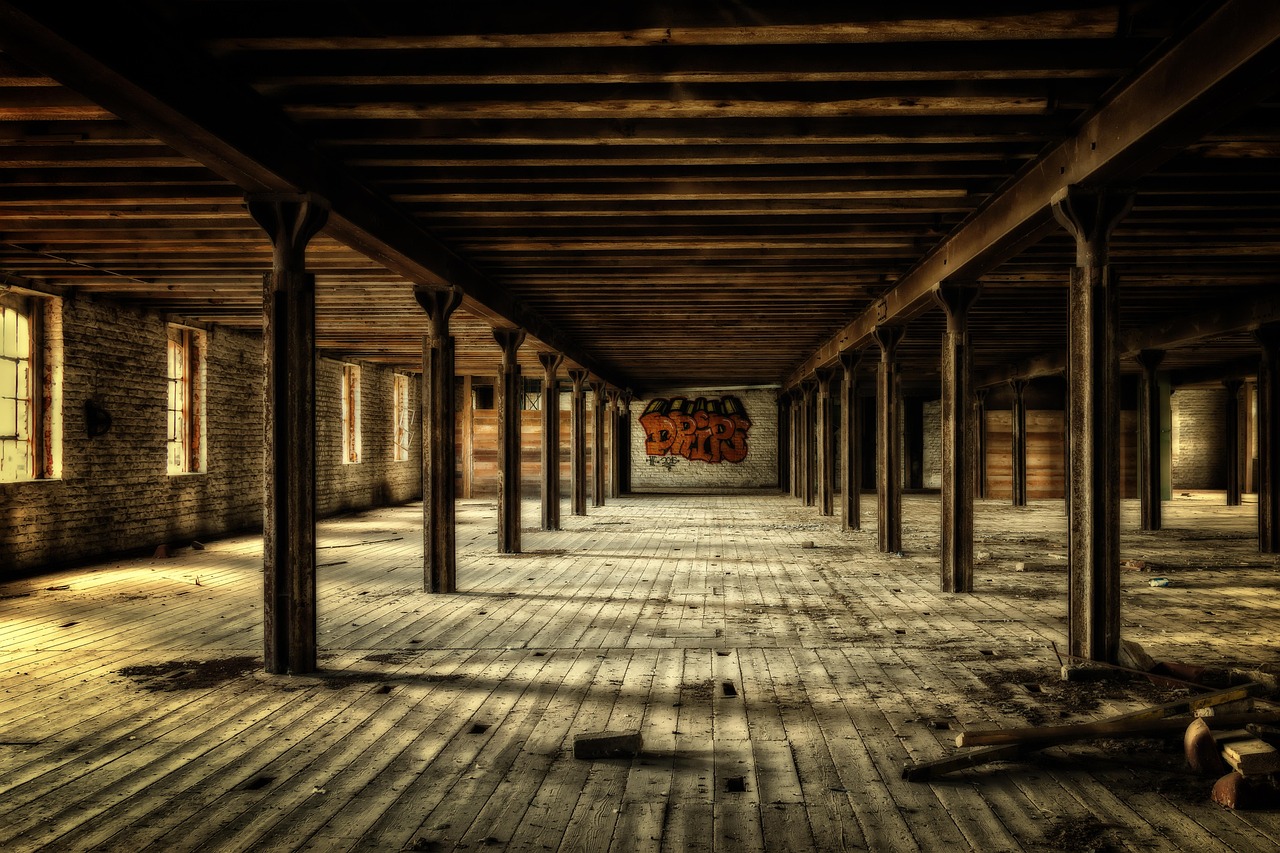
A basement renovations can unlock usable square footage, boost your home’s value, and give you a dedicated space tailored to your needs. You can turn an underused basement into a comfortable bedroom, office, or entertainment area while controlling costs and avoiding a costly above‑ground addition.
Start by assessing moisture, ceiling height, egress, and layout so you make informed choices during planning. As you move into design and construction, focus on efficient layouts, appropriate materials, and the right permits to keep the project on schedule and within budget.
Planning Basement Renovations
You will inspect the space, set clear functional goals, assign costs, and verify legal requirements before work begins. These steps prevent surprises, control budget, and help you schedule trades effectively.
Assessing Basement Condition
Start with a thorough visual inspection and basic tests. Look for moisture stains, efflorescence, cracked or bowing walls, uneven floors, and musty odors. Check windows, sump pump operation, and visible plumbing for leaks.
Measure ceiling height and note obstructions like ductwork, beams, or sewer lines that affect layout. Use a level and tape measure; document spots under the typical finished-height threshold (usually 7–8 ft depending on local code).
If you find water issues, perform a simple dye or water test and consider hiring a contractor for a hydrostatic pressure assessment. For structural concerns, get a structural engineer’s report. Keep photos and written notes for planning and contractor bids.
Determining Renovation Goals
Define how you will use the finished space: bedroom, rental suite, home office, theater, gym, or storage. List required elements for each use—egress windows and closet for a bedroom, kitchenette and separate entrance for a rental, sound insulation and darkening for a theater.
Prioritize must-haves versus nice-to-haves so you can trade features against budget. Sketch a basic floor plan showing intended walls, plumbing fixtures, electrical loads, and HVAC needs. This helps contractors give informed bids and lets you check whether the existing systems can support your plans.
Budgeting for Your Project
Create a line-item budget covering demolition, waterproofing, framing, insulation, HVAC adjustments, electrical and plumbing, windows/egress, finishes, permits, and contingency. Use three cost tiers—economy, mid-range, and premium—to compare material and labor choices.
Allocate at least 10–20% of the budget for unforeseen issues and a separate small fund for owner-added upgrades. Get multiple written bids and compare scope, not just price. Track expenses in a simple spreadsheet and schedule payments tied to completed milestones to keep contractors accountable.
Understanding Local Building Codes
Contact your local building department to identify required permits for structural changes, new bedrooms, plumbing, and mechanical work. Ask about minimum egress sizes, ceiling height requirements, stair dimensions, and fire separation between units.
Request a copy of relevant code sections or a checklist from the inspector’s office. Confirm whether your project triggers mandatory inspections at framing, rough-in, and final stages. Keep permit documents on-site and plan timelines around inspection availability to avoid delays.
Designing and Completing Your Basement Renovation
Plan circulation, moisture control, lighting, and durable finishes first. Allocate budget to structural fixes, insulation, and code-compliant electrical and plumbing before selecting decorative materials.
Layout Ideas and Space Optimization
Decide functions and draw a simple floor plan showing furniture, egress windows, and mechanical systems. Prioritize clear paths at least 36 inches wide for circulation and place plumbing-heavy rooms (bath, wet bar, laundry) near existing stacks to reduce cost.
Use multifunctional zones: a sofa that converts to a guest bed, built-in storage under stairs, and sliding partitions to separate a home office from a family area. Mark required egress locations early — a code-compliant egress window or exterior door affects wall layout and stair placement.
Plan HVAC and dehumidification routes before framing so ducts and drains don’t obstruct usable wall space. Consider ceiling height limits: drop ceilings, flush-mounted drywall, or soffits can hide services while keeping headroom above 7 feet where possible.
Finishing Walls, Floors, and Ceilings
Handle moisture and insulation before finishing. Install a perimeter drainage system or vapor barrier if water is present, then use closed-cell spray foam or rigid foam board R-value appropriate for your climate on exterior walls.
Choose wall finishes suited to humidity: moisture-resistant drywall (greenboard) or cement backer board in laundry/bath areas; paint with mildew-resistant primers. For floors, install a subfloor system (e.g., engineered sleepers or modular foam panels) to create a thermal break and capillary break over concrete and then select durable surface materials: luxury vinyl plank, tile, or stain/epoxy for concrete.
For ceilings, use recessed LED fixtures in a drywall ceiling for a clean look, or install an access-friendly drop ceiling where frequent mechanical access is needed. Seal all penetrations for sound and air control, and locate plumbing cleanouts and service panels behind access panels.
Lighting and Electrical Upgrades
Map lighting in layers: ambient, task, and accent. Place recessed cans or LED downlights every 4–6 feet for even ambient light and add dedicated task lighting over work surfaces, gaming areas, and reading nooks.
Upgrade the electrical panel if required and install dedicated circuits for high-load equipment: sump pump, HVAC, washer, and home theater. Use AFCI and GFCI protection where code requires—especially in finished basements, bathrooms, and kitchens.
Plan outlet spacing to meet code and to avoid extension cords; typically outlets every 6–12 feet along walls for living spaces. Integrate smart controls or dimmers for mood scenes, and place switches at top and bottom of stairways for safe access. Label circuits in the panel for future maintenance.
Choosing Materials and Finishes
Select materials for durability, moisture resistance, and low maintenance. Pick closed-cell foam, fiberglass with proper vapor control, or mineral wool where sound control and fire resistance matter.
Create a finish palette with coordinated surfaces: durable wall paint, waterproof flooring with a complementary trim, and ceiling materials that conceal but allow access. Choose finishes rated for basement use — look for water-resistant warranties and low-VOC certifications.
For fixtures and hardware, prioritize stainless or powder-coated metals in wet areas and choose mildew-resistant textiles for upholstery. Keep a list of maintenance needs for each material to avoid surprises: resealing tile grout, vacuuming HVAC returns, or reapplying floor finishes at recommended intervals.




Leave a Reply