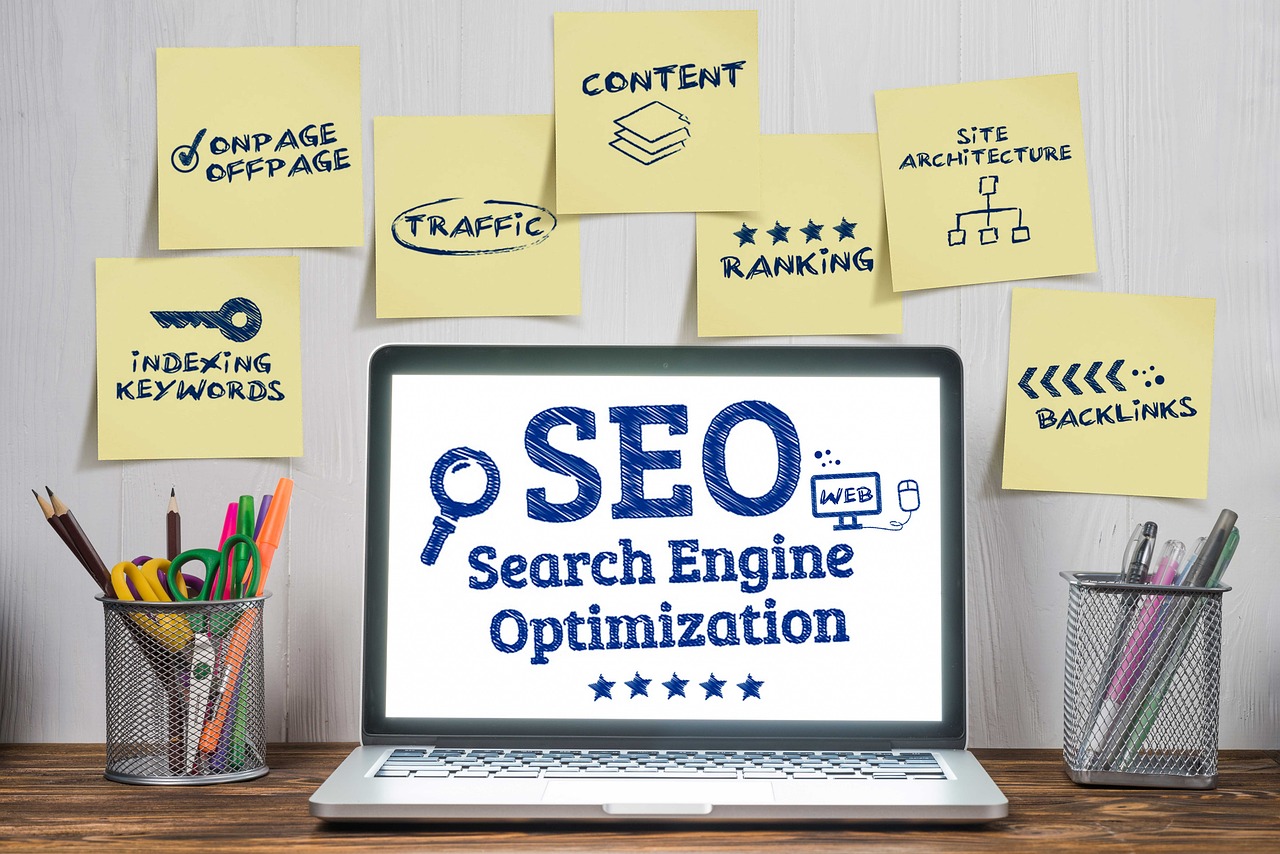
You want faster, smarter SEO that scales without adding manual grunt work. An AI SEO agency uses machine learning, natural language processing, and automation to analyze opportunities, optimize content, and prioritize technical fixes so you capture more organic traffic and convert it more efficiently. If you choose the right partner, you get data-driven strategy, automated execution, and measurable growth instead of one-off advice or endless manual tasks.
This article explains what an AI SEO agency does, how it applies tools and models to your site, and which benefits matter most for your business so you can decide whether to invest in AI-driven SEO.
What Is an AI SEO Agency?
An AI SEO agency uses machine learning and automation to improve how your site appears in search results and AI-driven answers. They focus on data-driven keyword targeting, technical fixes, content signals, and link patterns to drive measurable organic growth.
How AI Enhances Traditional SEO
AI speeds up and scales tasks you used to do manually, like keyword discovery and content optimization. Instead of checking spreadsheets, you get cluster-based keyword sets and intent classifications so you target topical gaps and user needs precisely.
AI also identifies technical issues faster by crawling and analyzing site structure, schema, and renderability across devices. That helps you prioritize fixes that will most improve indexability and Core Web Vitals.
For content, AI recommends exact heading structures, semantically related terms, and readability adjustments based on top-ranking pages. You maintain editorial control while the tools propose measurable changes that align with search intent.
Key Technologies Used by AI SEO Agencies
Natural language processing (NLP) models parse search intent, extract entities, and generate content outlines tailored to query types. These models power content briefs and automated tagging of topics across your site.
Machine learning algorithms analyze click-through rates, dwell time, and conversion signals to predict the pages that will benefit most from optimization. They feed into ranking simulations so you see potential gains before implementing changes.
Crawlers and log-file analysis tools map indexation and bot behavior, while SERP-scraping systems monitor competitor features like featured snippets and People Also Ask. Integration with analytics and API-driven automation ties recommendations to performance data.
AI-Driven SEO Strategies
You can use AI to run automated keyword clustering that groups hundreds of terms into content silos, reducing redundant pages and improving topical authority. That directly cuts wasted crawl budget and boosts relevance.
Implement predictive SEO to prioritize pages likely to rise with minimal changes; this uses historical ranking shifts and behavior data. Combine that with automated A/B testing on meta tags and content to learn what moves your metrics.
Use AI-assisted link discovery to find high-value outreach targets and to evaluate backlink risk. Pair technical automation—like scheduled schema injections and image optimization—with human editing to keep content accurate and brand-consistent.
Benefits of Using an AI SEO Agency
AI SEO agencies help you cut manual work, surface high-impact opportunities, and tailor campaigns to specific customer segments. Expect faster keyword discovery, more accurate content recommendations, and personalized tactics that scale across channels.
Improved Efficiency and Accuracy
You save time by automating repetitive tasks like keyword aggregation, rank tracking, and technical audits. AI tools scan thousands of pages and crawl logs in minutes, flagging broken links, slow pages, and schema errors so you can prioritize fixes by estimated traffic impact.
Automation reduces human error in large datasets. For example, automated content audits can detect keyword cannibalization and duplicate topics across hundreds of posts, then suggest consolidation or canonicalization actions. That precision shortens the feedback loop between finding problems and implementing solutions.
You also get consistent reporting. AI standardizes metrics and produces repeatable scorecards, so your team spends less time reconciling spreadsheets and more time executing high-value changes.
Data-Driven Decision Making
An AI SEO agency turns raw search and behavioral data into actionable plans tied to revenue or conversion goals. You receive recommendations ranked by predicted traffic lift and conversion probability rather than by intuition alone.
Expect predictive forecasts that estimate ranking improvement from a given change, A/B test suggestions for meta descriptions or CTAs, and competitor gap analyses showing exact keywords competitors rank for but you do not. These outputs let you allocate budget to the tactics with the best ROI.
You also gain faster hypothesis testing. AI can simulate outcomes from content edits or internal linking changes, allowing you to run smaller, quicker experiments before committing extensive resources.
Personalized SEO Campaigns
AI enables granular segmentation so your content and on-site experiences match real user intent. You can target different landing pages, title tags, and content depth for mobile vs. desktop searchers, or for users in specific cities with locally relevant keywords and business hours.
Dynamic content recommendations allow you to serve variations based on intent signals—search query patterns, referral source, or prior site behavior. That increases relevance and conversion without creating dozens of static pages.
The agency can also automate personalization at scale: generate localized meta tags, tailor schema markup to product categories, and produce content briefs optimized for specific audience cohorts—reducing manual copy variations while maintaining quality and alignment with SEO goals.





Leave a Reply