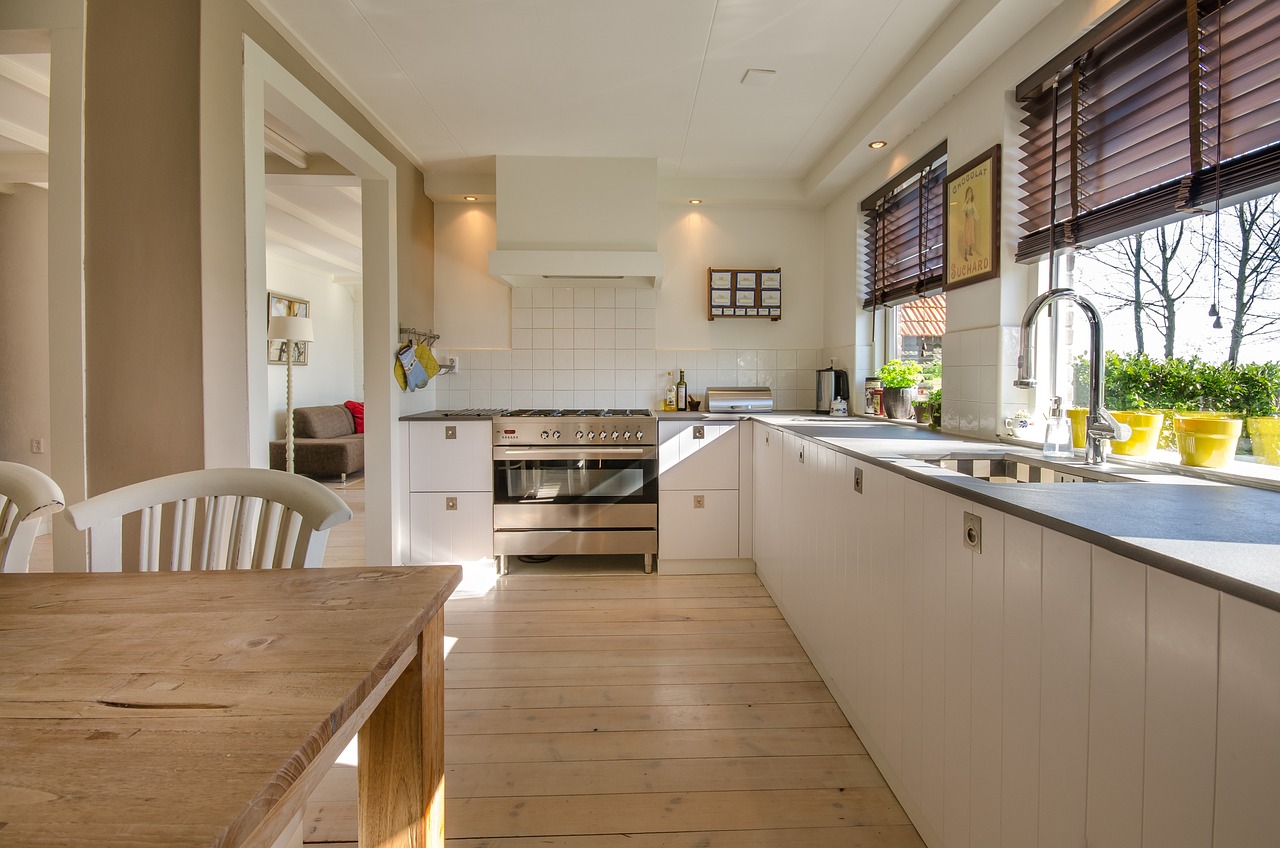
Black quartz countertops give your kitchen a sleek, modern anchor that resists stains and stands up to daily use. You get a durable, low-maintenance surface with striking depth of color that elevates both minimalist and dramatic designs.
If you want a surface that performs well and instantly refines your space, this article will walk you through the practical benefits, how to pick the right tone and finish, and design tips that keep your kitchen balanced and timeless. Explore material comparisons, maintenance expectations, and styling ideas so you can choose a black quartz that fits your lifestyle and aesthetic.
Benefits of Black Quartz Countertops
Black quartz brings deep color, strong durability, and low-maintenance performance to kitchens and bathrooms. It creates a bold visual anchor while resisting scratches, stains, and common household wear.
Durability and Longevity
Black quartz is an engineered stone made from about 90–95% natural quartz bound with resin. That construction gives it high hardness—comparable to granite—so it resists chips and scratches from knives, cookware, and daily use.
The nonporous resin content prevents liquid penetration, reducing the risk of staining from oils, wine, and acidic foods. It also stands up well to heat for short exposures, but you should still use trivets for hot pans to avoid thermal stress or resin damage.
Expect long service life: properly installed and cared for, quartz counters often last decades without sealing. Warranties commonly cover 10–15 years, which reflects typical manufacturer confidence in durability.
Visual Impact in Kitchen and Bathroom Design
Black quartz provides a consistent, deep backdrop that anchors modern, industrial, and high-contrast designs. You can choose matte or polished finishes; polished surfaces increase reflectivity and highlight veining, while matte finishes reduce glare and hide fingerprints.
Use black quartz to create contrast with white cabinets, pale marble backsplashes, or warm wood tones. It reads as formal in a full-black scheme and contemporary when paired with metallic hardware or minimalist fixtures.
Because quartz is manufactured, you can select patterns—uniform black, subtle speckle, or engineered veining—that deliver repeatable, predictable visual results across large runs and islands.
Maintenance and Cleaning Advantages
Black quartz’s nonporous surface greatly reduces bacteria and mold growth compared with porous stones like marble. That makes it hygienic for food prep and low-risk in damp bathroom environments.
Cleaning requires only mild dish soap and a soft cloth for daily care. For dried-on residue, use a nonabrasive cleaner or a plastic scraper; avoid bleach or high-alkaline cleaners that can dull resin bonds over time.
You do not need to seal black quartz. Periodic inspection for chips or edge damage and prompt professional repair preserve appearance. Routine care keeps the surface looking near-new with minimal effort.
Design Considerations for Black Quartz Countertops
Black quartz offers bold contrast, durable performance, and a range of textures and edge profiles that affect both style and function. Think about edge details, cabinet and backsplash pairings, and how lighting will change the countertop’s appearance throughout the day.
Popular Edge Styles and Finishes
Choose an edge that matches your kitchen’s formality and usage.
- Eased/Beveled (1/4″–1/2″): sleek and modern; resists chipping and works well for high-traffic islands.
- Bullnose/Full Round: softer look and safer for homes with children; hides wear but adds visual bulk.
- Ogee/Double Bevel: formal and ornate; pairs well with traditional cabinetry but can collect crumbs in grooves.
Finish affects sheen and maintenance.
- Polished: high gloss highlights veining and sparkle; shows fingerprints and water spots more readily.
- Matte/Suede: reduces glare and hides smudges; gives a contemporary, softer appearance.
- Honed: between polished and matte; slightly reflective with lower maintenance than full polish.
Match thicker profiles (3 cm) with heavier edge treatments for balance. Choose edges that complement your daily use—rounded edges for safety, crisp edges for modern lines.
Pairing With Cabinets and Backsplashes
Contrast or blend with intent when selecting cabinets and backsplashes.
- For white or light gray cabinets, black quartz creates striking contrast and modern clarity.
- With dark wood or black cabinets, use tonal variation—matte black quartz with warm wood balances depth without becoming flat.
Backsplash materials change the perceived weight of the countertop.
- Subway tile (white or light) brightens and defines the black surface.
- Marble or light quartz with subtle veins introduces luxury while keeping visual interest.
- Full-height black quartz backsplash creates seamless drama but needs careful lighting to avoid a cavernous feel.
Consider edge-to-cabinet reveals and hardware finishes. Brushed nickel or matte brass pulls add complementary accents. Keep grout color consistent with the backsplash to avoid unintended contrast.
Lighting and Space Optimization
Plan layered lighting to control how black quartz reads in the room.
- Task lighting (under-cabinet LEDs) reduces shadows on the work surface and reveals surface details like sparkles or veins.
- Ambient lighting should be bright enough to prevent the countertop from absorbing light and making the room feel smaller.
Choose bulb temperature deliberately.
- 3000K–3500K (warm-neutral) warms wood tones and softens black surfaces.
- 3500K–4000K (neutral-cool) enhances clarity of white backsplashes and highlights quartz veining.
Use reflective or lighter upper cabinetry and a glossy backsplash to bounce light. Add pendant lights over islands with suspended fixtures positioned about 30–36 inches above the surface to illuminate task zones without glare.



Leave a Reply