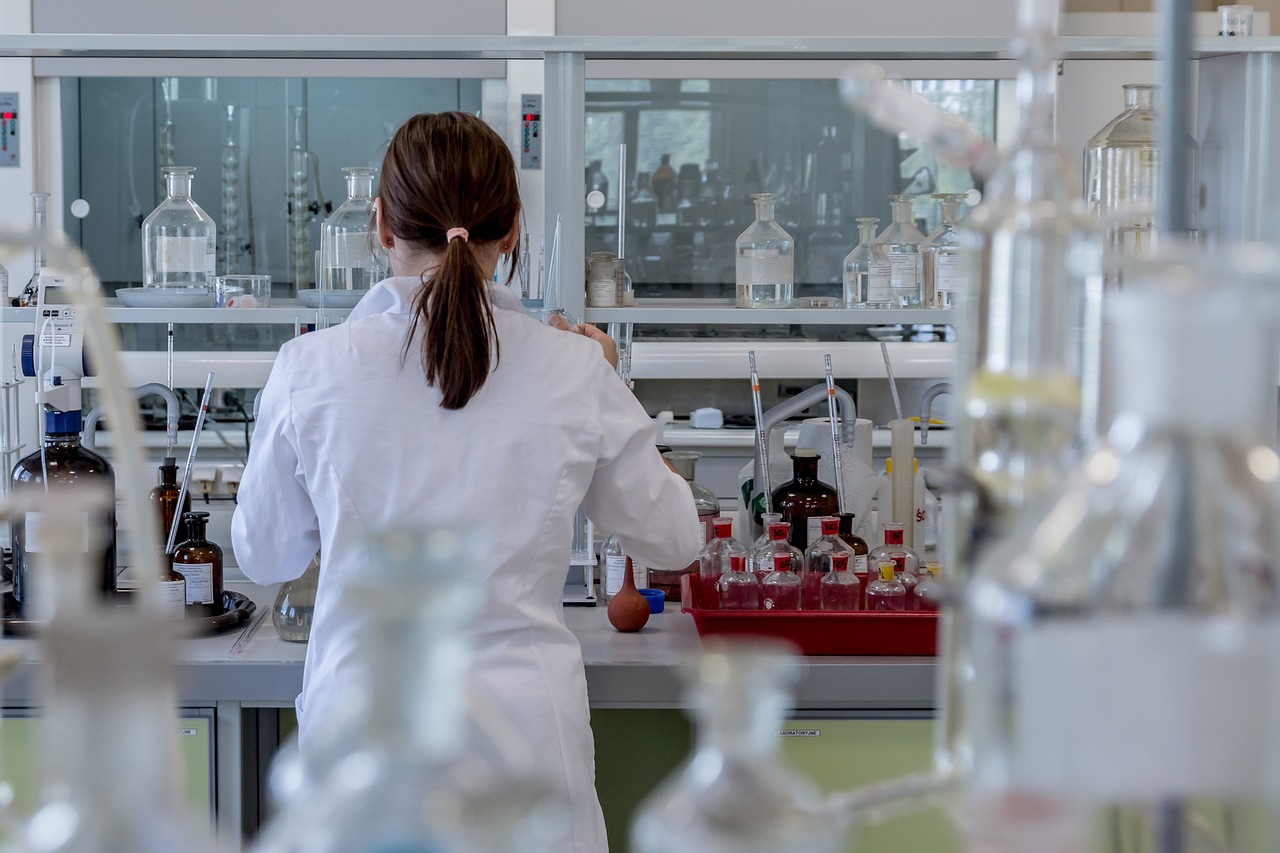
You rely on the right Lab Equipment Essentials to get accurate results, save time, and keep your workspace safe. Focus on the core tools like balances, microscopes, incubators, and essential glassware so you can perform experiments reliably and scale your setup as needs grow.
This article will show which equipment matters for different tasks, how to choose quality suppliers, and simple maintenance habits that extend lifespan and ensure consistent performance. Start here to build a lab that supports reproducible work and efficient workflows.
Types of Lab Equipment
You will encounter instruments for handling samples, devices that measure and analyze, safety gear to protect you and your work, and specialized machines for specific tasks. Each group contains items you’ll use frequently and those reserved for precise applications.
General Laboratory Instruments
General instruments handle routine tasks like measuring, mixing, heating, and containing samples. Expect to use pipettes (single- and multi-channel) for precise liquid transfer, graduated cylinders and volumetric flasks for volume measurements, and beakers and Erlenmeyer flasks for mixing and reactions.
Heating and containment tools include hot plates, Bunsen burners, and mantles; choose based on temperature control and chemical compatibility. For physical manipulation, rely on balances (analytical and top-loading) for mass, stirrers and vortexers for homogenizing, and centrifuges to separate components by density.
Keep consumables handy: filter paper, microcentrifuge tubes, and gloves. Regular calibration of pipettes and balances maintains accuracy and prevents systematic errors.
Analytical Equipment
Analytical instruments quantify composition and properties. Use spectrophotometers for absorbance and concentration measurements across UV–Vis ranges, and HPLC or GC for separating and quantifying organic compounds. Mass spectrometers provide molecular weight and structural data when paired with separation techniques.
Electrochemical analysis involves pH meters, ion-selective electrodes, and potentiostats for redox studies. Thermal properties come from DSC and TGA for melting points and decomposition profiles. For microscopy and imaging, select light microscopes for morphology and electron microscopes for nanoscale resolution.
Follow manufacturer protocols for calibration, blanking, and maintenance to ensure reproducible, traceable data.
Safety Equipment
Safety gear protects you and preserves sample integrity. Essential items include fume hoods for volatile or hazardous vapors, biosafety cabinets for sterile work with biological samples, and eye wash stations and safety showers for emergency decontamination.
Personal protective equipment (PPE) should consist of chemical-resistant gloves, lab coats, face shields, and appropriate respiratory protection (e.g., N95, cartridges) based on the hazard. Use spill kits tailored to acids, bases, and organic solvents. Label and store compressed gases with proper regulators and secure cylinders.
Train regularly on emergency shutdown procedures and perform routine inspections of hoods, extinguishers, and detectors (smoke, CO, gas).
Specialized Laboratory Devices
Specialized devices support niche workflows and advanced research. In molecular biology, you’ll use thermal cyclers (PCR machines), gel electrophoresis rigs, and real-time qPCR instruments for DNA/RNA amplification and analysis. Cell culture labs require CO2 incubators, biosafety cabinets, and cryogenic freezers for viable sample storage.
Materials and engineering labs often use scanning probe microscopes, rheometers, and 3D printers for surface, mechanical, and prototyping needs. Analytical labs may have automated sample handlers and robotic liquid handlers to increase throughput and reduce human error.
Acquire specialized equipment based on validated methods, available service support, and compatibility with existing lab infrastructure.
Selecting and Maintaining Lab Equipment
Choose instruments that match your assay requirements, throughput, and regulatory standards. Plan for maintenance, calibration, cleaning, and appropriate storage to protect data integrity and extend equipment life.
Choosing the Right Equipment
Start by defining performance requirements: sensitivity, accuracy, dynamic range, and throughput measured in specific units (e.g., ng/mL, cycles per hour). Match those specs to manufacturer datasheets and independent validation studies.
Evaluate total cost of ownership: purchase price, consumables per run, service contracts, and parts lead time. Check vendor support SLAs, on-site repair availability, and local calibration providers.
Verify compatibility with your workflows: software formats, data export options (CSV, XML), sample holders, and rack sizes. Confirm compliance with relevant standards (ISO 17025, CLIA, GLP) before purchase.
Pilot equipment or demo units whenever possible. Run representative samples, document performance, and compare results to reference methods before committing.
Cleaning and Sterilization Procedures
Follow manufacturer cleaning instructions exactly to avoid damaging sensors, optics, or seals. Use only recommended detergents and concentrations; log each cleaning event with date, person, and product used.
Establish SOPs for routine tasks: daily surface wipes, weekly buffer changes, and monthly deep cleans. Use checklists and assign responsibilities to specific staff to ensure consistency.
For sterile work, validate sterilization methods—autoclave, dry-heat, chemical disinfectant—against the materials and components. Note temperature limits and solvent incompatibilities in equipment manuals.
Keep an inventory of approved cleaning agents and PPE. Train staff on spill response and disposal procedures for hazardous residues to protect both people and instruments.
Calibration and Quality Control
Create a calibration schedule based on manufacturer recommendations, usage frequency, and regulatory requirements. Record calibration dates, standards used, and acceptance criteria in a traceable log.
Use certified reference materials and external proficiency samples when possible. Include internal QC samples each run and chart results to detect trends before failures occur.
Maintain a corrective action procedure for out-of-tolerance events: quarantine equipment, investigate root cause, retest, and document actions taken. Preserve calibration certificates and make them available for audits.
Automate reminders through a maintenance management system or calendar alerts to prevent missed calibrations. Keep spare calibration standards and consumables on hand to minimize downtime.
Storage and Handling Best Practices
Store sensitive instruments and reagents in controlled environments: temperature- and humidity-monitored rooms with alarms where necessary. Label storage locations with inventory IDs and first-use/open dates.
Handle optical and electronic components with anti-static precautions and dust covers. Use shock-absorbing transport containers for moved or loaned instruments and lock down heavy items to prevent tipping.
Rotate consumables using FIFO (first-in, first-out). Keep an annotated log of reagent lot numbers, expiration dates, and associated instrument runs for traceability.
Establish access controls and training requirements for each piece of equipment. Limit operation to qualified personnel and document competency assessments to reduce misuse and accidents.




Leave a Reply