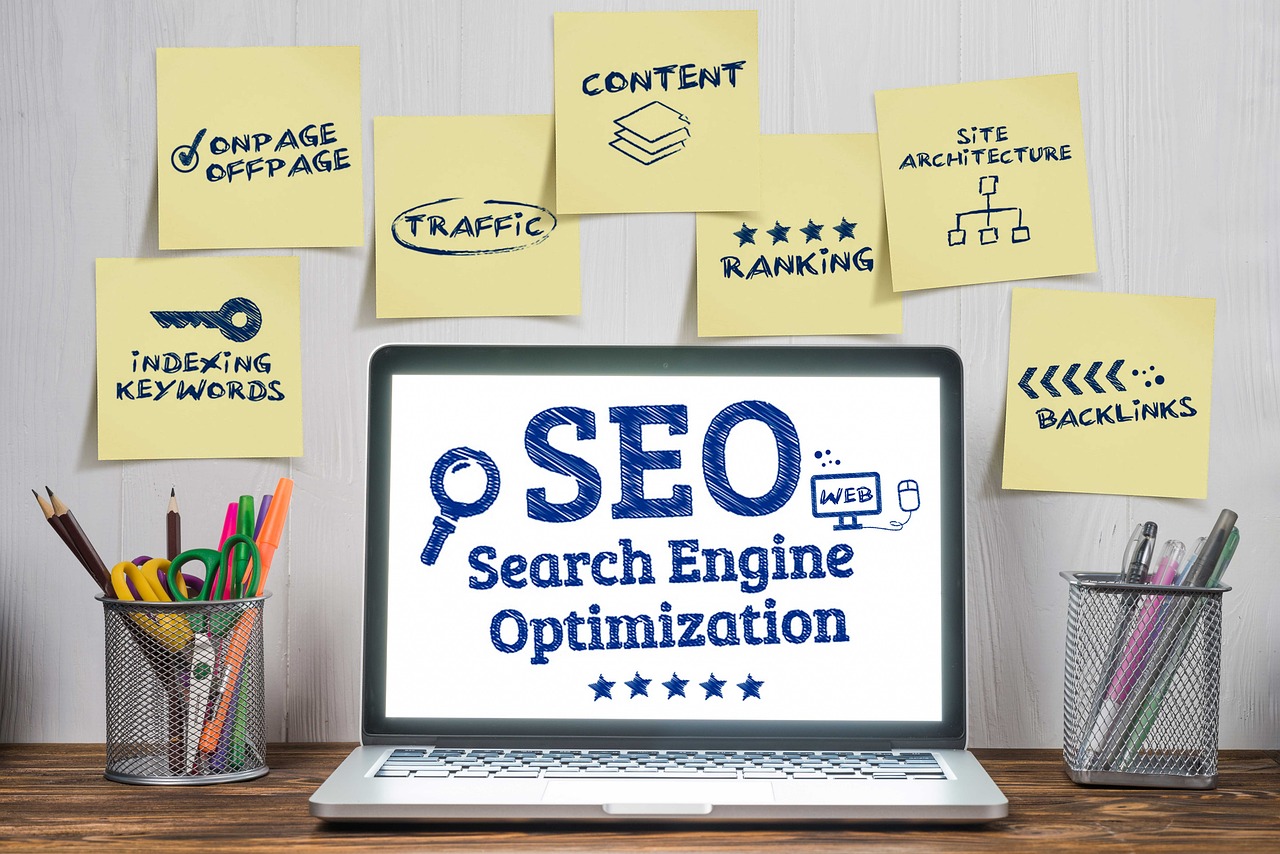
If you want more local customers finding your business online, focus your SEO on Red Deer-specific signals—local keywords, Google Business Profile optimization, and on-page content that answers city-focused queries. Targeted local optimization and consistent location information will get your site seen by people searching for services in Red Deer.
You’ll learn practical Red Deer SEO strategies that boost visibility on local search and improve how your website performs for nearby prospects. Expect clear steps for on-page improvements, local citation management, and content that connects with your community so your site ranks higher and drives real visits.
Red Deer SEO Strategies
Focus on search terms your customers actually use, make on-page content match local intent, and keep your Google Business Profile complete and active for map visibility.
Local Keyword Research and Analysis
Identify phrases Red Deer seo customers use by combining Google Search Console data, local keyword tools, and competitor SERP checks. Target neighborhood modifiers (e.g., “Red Deer roof repair,” “Bower auto glass”) and service-plus-intent phrases like “emergency,” “same day,” or “quote” to capture high-converting traffic.
Segment keywords into informational, transactional, and navigational buckets so you can map them to pages: service pages for transactional terms, blog posts for informational queries, and landing pages for navigational intent.
Use monthly search volume, intent, and ranking difficulty to prioritize. Track local competitors and the Top Stories or People Also Ask features to spot content gaps. Export lists into a spreadsheet with columns for keyword, volume, intent, current rank, and target landing page to keep execution organized.
On-Page Optimization for Red Deer Businesses
Align page titles, H1s, and meta descriptions with prioritized local keywords while keeping them natural. For example, use “Red Deer Dental Clinic — Same-Day Appointments” as a title and include the neighborhood or cross-streets in the H1 when relevant.
Optimize page copy to answer user intent within the first 100–200 words. Use short paragraphs, bullet lists, and clear CTAs like “Book an appointment in Red Deer” to improve engagement and conversions.
Structure schema markup: implement LocalBusiness schema with address, geo-coordinates, openingHours, and serviceArea set to Red Deer boundaries. Compress images, add descriptive alt text with local terms, and ensure mobile load times under 3 seconds. Maintain a clear internal linking strategy that connects service pages to local content and reviews pages to strengthen topical authority.
Google Business Profile Optimization
Claim and verify your profile, then fill every field accurately: business name (as used offline), address, phone, categories, and service areas that list Red Deer neighborhoods. Add up-to-date opening hours, holiday hours, and attributes (e.g., “Black-owned,” “Wheelchair accessible”) that match your storefront or operations.
Post weekly updates with photos of recent jobs, local events, or limited-time offers to keep the profile active and improve local pack visibility. Encourage customers to leave reviews and respond to each one within 48–72 hours using a professional, local tone.
Use the Questions & Answers section proactively: pre-populate common FAQs and pin helpful answers. Monitor GBP insights to track searches, calls, and direction requests, and adjust your GBP content and local citations accordingly to close visibility gaps.
Enhancing Red Deer Website Visibility
You can improve local search visibility by focusing on targeted backlinks, mobile performance, and content tailored to Red Deer audiences. Each area requires specific actions you can implement immediately to attract local traffic and convert visitors.
Building Local Backlinks
Focus on sites and organizations that serve Central Alberta and Red Deer specifically. Reach out to local chambers of commerce, industry associations, and Red Deer news outlets for sponsorships, event listings, or contributor opportunities that generate contextual links.
Create linkable assets that appeal to the local audience: original market reports, seasonal service guides, or local case studies. Promote these assets to community blogs and business directories, and offer them as resources to nearby businesses and nonprofits.
Use a simple outreach checklist:
- Identify 20 local sites (news, directories, associations).
- Craft a brief pitch mentioning mutual benefit and a specific content piece.
- Track responses and follow up once after 7–10 days.
Prioritize relevance and trust over quantity. One high-quality link from a local government or media site will help your local rankings more than many low-authority listings.
Mobile SEO Best Practices
Mobile users make quick decisions, so load speed and usability matter most. Test pages with Google’s PageSpeed Insights and aim for under 3 seconds on mobile. Compress images, enable lazy loading, and use efficient caching.
Make navigation thumb-friendly: use clear, large tap targets and a visible call-to-action for directions or click-to-call. Ensure contact details and business hours appear in structured data (LocalBusiness schema) so search engines and maps show accurate info.
Check mobile form usability. Shorten forms to essential fields and enable autofill where possible. Monitor Core Web Vitals (Largest Contentful Paint, Cumulative Layout Shift, Interaction to Next Paint) and prioritize fixes that reduce bounce and increase conversions.
SEO Content Creation for Red Deer
Target keywords that include “Red Deer” plus services or neighborhoods you serve, for example “plumbing services Red Deer” or “downtown Red Deer coffee roasters.” Use local modifiers naturally in headers and meta tags to signal relevance.
Develop pages for neighborhood-specific needs: pages for south Red Deer emergency services, downtown retail, or nearby communities like Sylvan Lake. Include practical local details—transit access, parking, and appointment availability—to increase usefulness and dwell time.
Publish a content calendar mixing evergreen guides (how-to, service pages) and timely local posts (events, seasonal offers). Track performance by location-based queries in Google Search Console and refine topics that drive click-throughs and conversions.




Leave a Reply