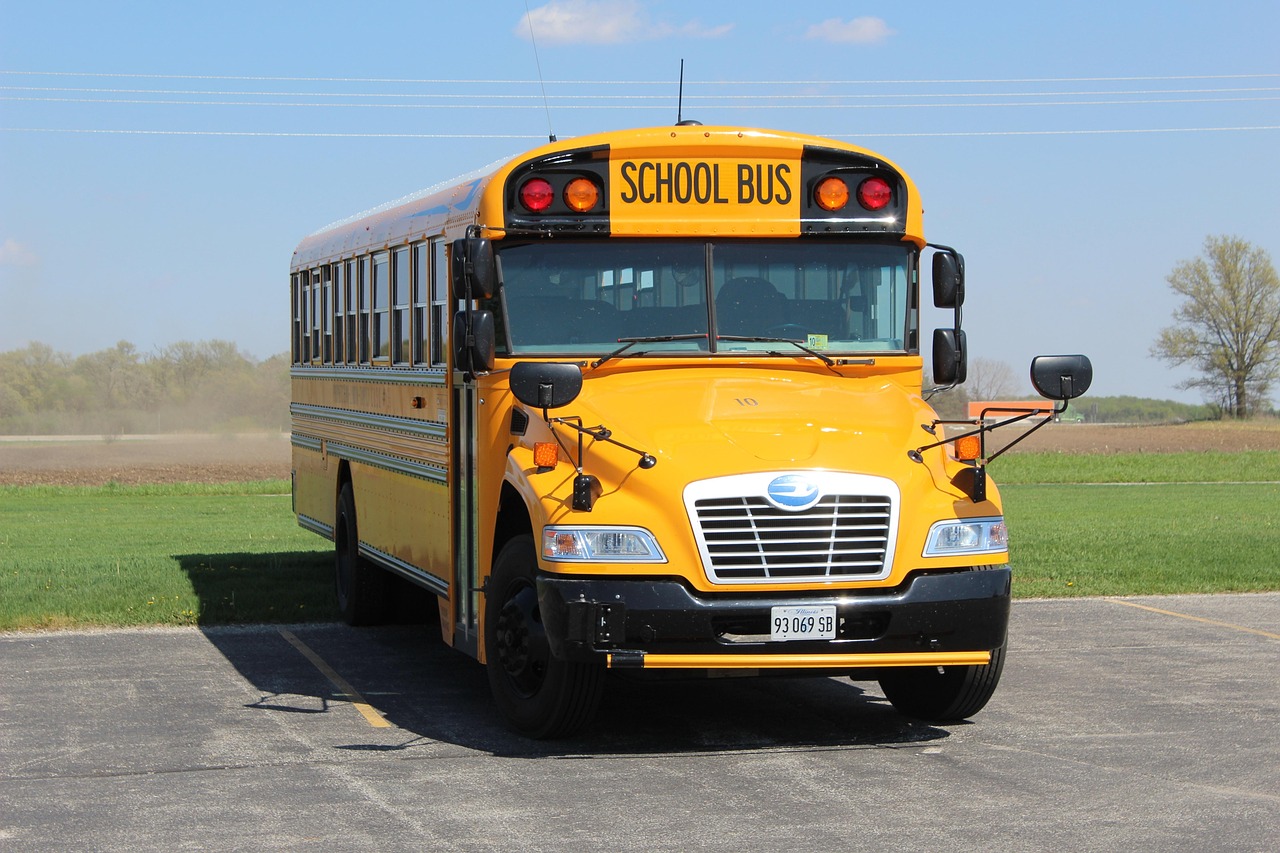
You rely on school bus transportation to move students safely, on time, and efficiently every day. Understanding how routes, safety protocols, and eligibility rules work helps you make better decisions for schedules, safety, and costs.
This article walks you through the basics of how school bus systems operate, the factors that shape routing and service levels, and practical considerations for parents, school staff, and planners. Expect clear explanations of eligibility, safety measures, route planning, and the trade-offs that affect reliability and budget so you can quickly grasp what matters most.
Overview of School Bus Transportation
School bus transportation moves students between home and school, special programs, and extracurricular activities while prioritizing safety, reliability, and cost-effectiveness. You will find how services are organized, the types of routes and vehicles used, and the regulatory framework that governs operation and safety.
Purpose and Importance
You rely on school bus systems to provide safe, regular access to education for students of all ages. Buses reduce traffic congestion near schools and lower per-student transportation costs compared with individual car trips. They also support equity by serving rural routes, urban chronologies, and special-needs students who require tailored door-to-door service.
Safety is a central purpose: data show school buses have far lower injury and fatality rates than private vehicles for the same trips. You also benefit from schedules that align with school hours, consolidated pick-up points to limit road exposure, and route planning that balances travel time with operational efficiency.
Types of School Bus Services
You will encounter several service types: regular home-to-school routes, special education and accessible transport, activity/field-trip services, and tiered routes for different grade levels. Regular routes use fixed stops and schedules; special-needs services include lifts, securement systems, and one-to-one attendants as required.
Vehicle types range from large conventional yellow buses to smaller vans and multi-function school activity buses (MFSABs) for short trips. Operators may contract with private carriers, run district fleets, or use consolidated regional providers. Route frequency, vehicle size, and staffing depend on student density, geography, and local policy.
Regulations and Safety Standards
You must follow federal and provincial/state safety standards that cover vehicle construction, crashworthiness, and emergency exits. Regulations also specify driver qualifications, background checks, medical fitness, and ongoing training in student management and emergency procedures.
Operational rules include mandatory use of seat belts where required, clear loading/unloading practices with flashing lights and stop-arm enforcement, and prescribed inspection and maintenance schedules. Agencies keep collision and incident records to drive policy; adherence to these standards significantly lowers risk for riders.
Key Factors Influencing School Bus Transportation
You will focus on efficient routing, qualified drivers, and targeted safety tech to keep rides reliable and safe. These areas determine punctuality, cost, and day-to-day student safety.
Route Planning
Route planning must balance ride time, bus capacity, and operating cost. Map routes using GIS tools to minimize total vehicle miles while keeping individual student rides under district thresholds (for example, 30–45 minutes where policy sets limits). Prioritize consolidated stops for dense neighborhoods and single-stop pickups for special-needs riders.
Use time-windowing and bell-time coordination to reduce overlap with peak traffic. Factor in real-world constraints: school schedules, crossing guards, road restrictions for large vehicles, and seasonal road closures. Regularly review routes after enrollment changes and driver absences to prevent last-minute cancellations.
Actionable items:
- Run route optimization weekly during enrollment periods.
- Set maximum acceptable ride time per grade.
- Maintain contingency routes for driver shortage days.
Driver Training Programs
Your drivers affect safety, attendance, and student behavior. Implement a standardized training curriculum covering defensive driving, student management, and emergency evacuation drills. Include hands-on behind-the-wheel hours, simulator sessions for adverse conditions, and annual refresher certifications.
Train for regulatory and special needs requirements: wheelchair securement, medication protocols, and communication with special education staff. Track certification expirations and driver health screenings in a central personnel system. Offer mentorship for new drivers and incentives tied to safety records to reduce turnover.
Training checklist:
- Initial 40–60 hours basic training (district-dependent).
- Quarterly in-service on behavior de-escalation and first aid.
- Annual emergency evacuation drills with timing targets.
Safety Technologies
Safety tech should target collision avoidance, student monitoring, and operational transparency. Equip buses with forward collision warning, automatic emergency braking, and lane-departure alerts to reduce crash risk. Add external cameras for loading/unloading zones and internal cameras to document incidents and deter misconduct.
Use GPS telematics to monitor speed, idle time, route adherence, and to provide parents with live ETA updates. Integrate RFID or card-based student tracking to verify on/off status at each stop and generate automatic attendance logs. Ensure data privacy by encrypting student-location records and limiting access to authorized staff.
Implementation priorities:
- Safety-critical ADAS first (braking, collision alerts).
- Telematics plus parent-facing ETA tools.
- Student tracking for attendance reconciliation and welfare checks.




Leave a Reply