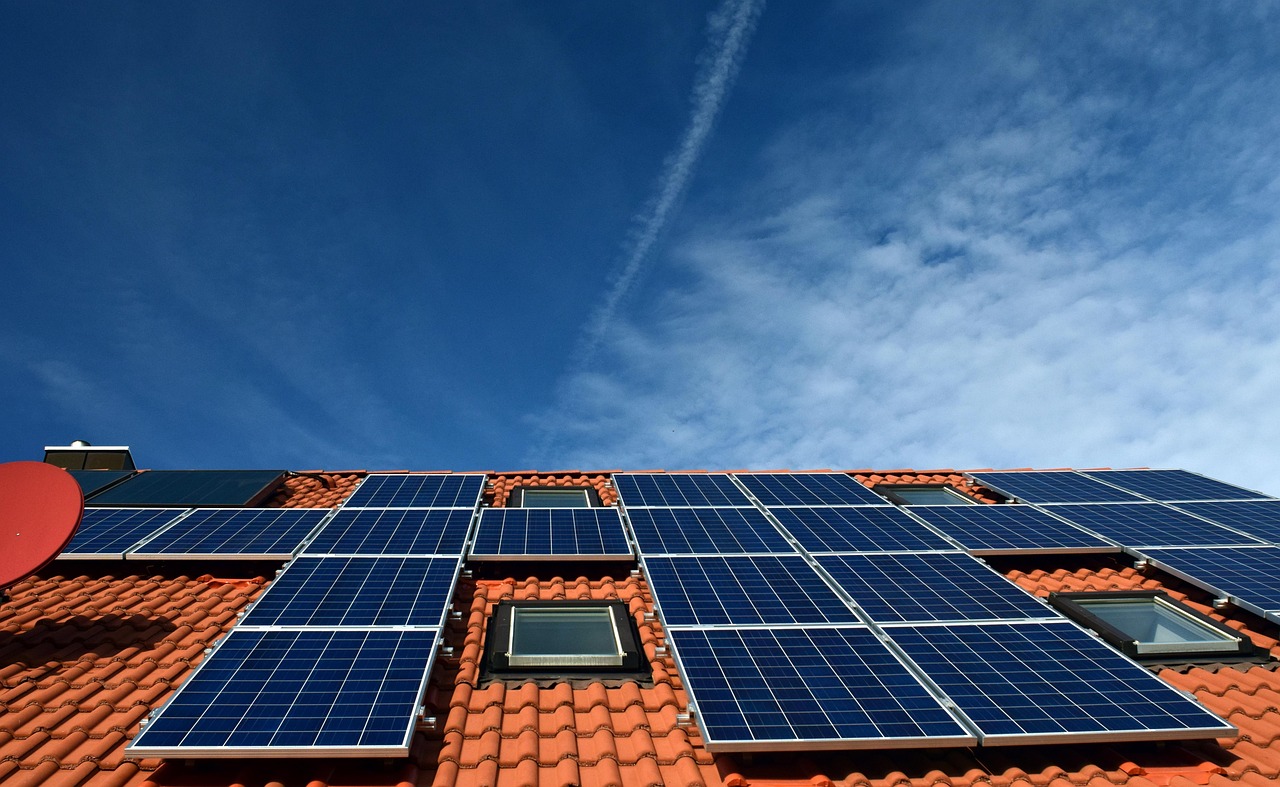
You can turn parts of your building—roof, façade, or windows—into active electricity generators without sacrificing form or function. Building-integrated photovoltaics (BIPV) replace conventional building materials with solar-producing components, letting your structure simultaneously serve as skin and power plant.
This post guides you through what Building Integrated Photovoltaics BIPV is, how it differs from bolt-on solar, and the practical design and application choices that determine cost, performance, and aesthetics. Expect clear, actionable insight so you can evaluate whether integrating photovoltaics into your next project makes technical and financial sense.
Understanding Building Integrated Photovoltaics (BIPV)
BIPV embeds solar-generating materials into building elements so you get power generation, weather protection, and architectural finish in the same product. Expect differences in materials, performance, and installation compared with rooftop-mounted systems.
What Is BIPV?
BIPV refers to photovoltaic materials that replace conventional building components—such as roof shingles, façade cladding, or glazed windows—while producing electricity. You’ll find BIPV used as curtain walls, sloped-roof tiles, skylights, and balustrades.
BIPV components connect to the building’s electrical system and often feed in to on-site consumption or export to the grid. Because they are part of the envelope, wiring, mounting, and fire- and weather-sealing are handled during building construction or major renovation rather than as an add-on.
You should evaluate BIPV both as a building material (durability, thermal and moisture performance) and as an energy system (module efficiency, orientation, and shading). That dual role affects design choices, permitting, and lifecycle costs.
BIPV Technologies and Types
BIPV uses several PV technologies: crystalline silicon (monocrystalline and multicrystalline), thin-film (CIGS, CdTe), and emerging options like perovskite and semi-transparent cells. Each option offers trade-offs in efficiency, appearance, and flexibility.
Common product formats include:
- Integrated roof tiles and shingles that mimic standard roofing while producing power.
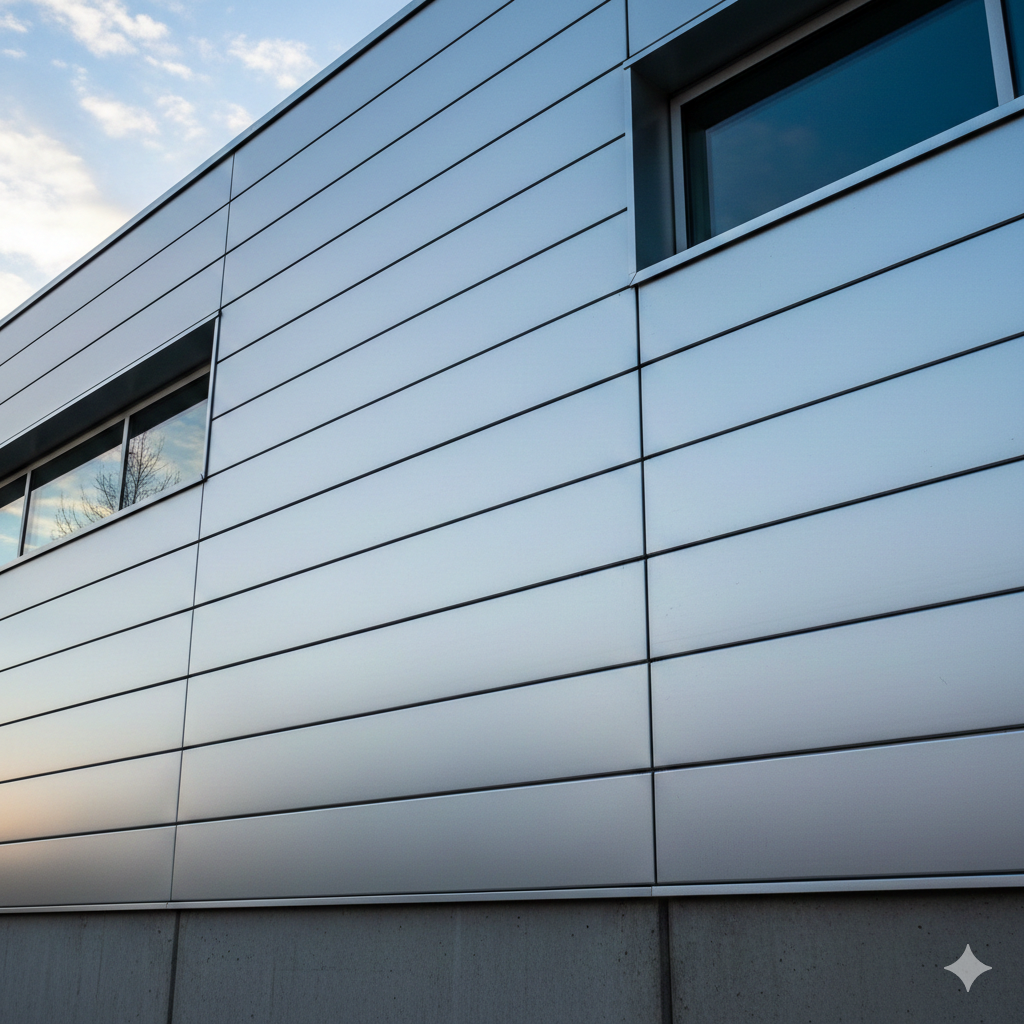
- Façade panels and curtain-wall modules that act as cladding and can be opaque or semi-transparent.
- Glazed BIPV for windows and skylights with partial transparency for daylighting.
- Flexible laminates for curved or irregular surfaces.
Choose technology based on your priorities: high-efficiency silicon for maximum energy density, thin-film for better low-light or diffuse-angle performance, and semi-transparent cells when daylighting and view retention matter.
Difference Between BIPV and Conventional PV
Conventional PV (BAPV) mounts panels on top of an existing roof or structure; BIPV replaces the building material itself. That means BIPV affects the building envelope’s thermal, acoustic, and waterproofing functions, while conventional PV typically does not.
Installation timing differs: BIPV is best integrated during construction or re-roofing, whereas conventional PV is common for retrofits. Cost structure also differs—BIPV often carries higher upfront product and integration costs but can reduce material and labor by replacing cladding.
Performance-wise, conventional PV can be optimized for tilt and orientation independently of the building form. BIPV must balance architectural constraints with energy yield, so system design requires closer coordination between architect, engineer, and PV supplier.
Benefits of BIPV Systems
BIPV delivers several tangible benefits you can quantify: reduced material costs (by replacing cladding), lower embodied carbon if you select low-carbon components, and on-site renewable electricity that cuts operational energy use.
Additional advantages include:
- Architectural integration: cleaner aesthetics and design flexibility.
- Multifunctionality: combined thermal insulation, daylighting, and weather protection.
- Permitting and incentive potential: some jurisdictions offer favorable codes or incentives for integrated renewables.
Be aware of potential trade-offs like higher design complexity and maintenance access. Still, when you prioritize design integration, energy generation, and lifecycle efficiency, BIPV often provides a compelling combined value proposition.
Applications and Design Considerations for BIPV
You will evaluate where BIPV fits into your project by balancing structural roles, visual goals, and electrical performance. Prioritize module type, orientation, and integration method early in design to avoid costly retrofits.
Integration in Building Structures
You can replace or augment roof coverings, façades, canopies, and glazing with BIPV products that serve both as weatherproofing and power generation. For roofs, choose between fully integrated PV membrane systems for new construction and hybrid ridge or tile replacements for renovations. For façades, use ventilated curtain-wall panels or unitized BIPV cladding that attach to the structural frame while allowing for thermal expansion.
Consider structural load, wind uplift, and point loads from mounting systems. Coordinate with structural engineers about dead load increase (modules, rails, fixings) and live-load path changes. Provide for thermal movement, moisture barriers, and access for future replacement.
Use standardized electrical junctions and roof-to-wall flashing details to maintain airtightness and prevent water ingress. Early coordination with mechanical, electrical, and plumbing (MEP) reduces conflicts with ducts, gutters, and rooftop equipment.
Architectural and Aesthetic Implications
Decide whether BIPV should be visible as a design feature or blended into the envelope. Options include colored or textured modules, semi-transparent solar glass for skylights and façades, and custom-printed modules for branding. Each choice affects cost and performance; fully opaque high-efficiency cells yield more power than decorative thin-film solutions.
Assess sightlines, reflectance, and glare for occupants and neighboring properties. Use mock-ups to confirm perceived color uniformity and light transmission for glazing. Integrate shading devices or light shelves when semi-transparent BIPV alters interior daylighting to maintain occupant comfort.
Plan for module replacement and service access without compromising the intended aesthetic. Specify warranty, color stability, and manufacturer tolerance for visible areas to avoid mismatched panels over time.
Energy Performance and Efficiency
Match module technology to your site’s irradiance, temperature profile, and available area. Monocrystalline cells offer higher efficiency where roof area is limited; thin-film or building-aperture modules may suit curved façades or where diffuse light dominates. Calculate expected annual yield using orientation, tilt, shading analysis, and local weather data.
Incorporate string inverters, microinverters, or DC optimizers based on shading patterns and module layout to maximize harvest and simplify monitoring. Design electrical layouts to minimize DC run lengths and voltage drop, and to comply with local codes and anti-islanding requirements.
Factor in seasonal variability and integrate battery storage or demand-response strategies if you need reliable peak shaving or islanding capability. Use performance modeling and commissioning tests to validate output against design assumptions.
Installation and Maintenance Factors
Plan installation sequencing with trade partners to prevent damage to finishes and to maintain weather-tightness. Use factory-assembled units where possible to reduce on-site labor and electrical connections. Ensure installers are trained on module handling, flashings, and roof penetration standards.
Establish an access and maintenance plan for cleaning, inspections, and module replacement. Create a schedule for electrical checks, junction-box inspections, and monitoring-system validation. Specify cleaning methods appropriate to module type to avoid abrasion or coating damage.
Keep spare modules, mounting hardware, and detailed as-built electrical drawings on-site or in a digital repository. Define warranty responsibilities and contact points for troubleshooting to shorten downtime if performance drops or failures occur.



Leave a Reply