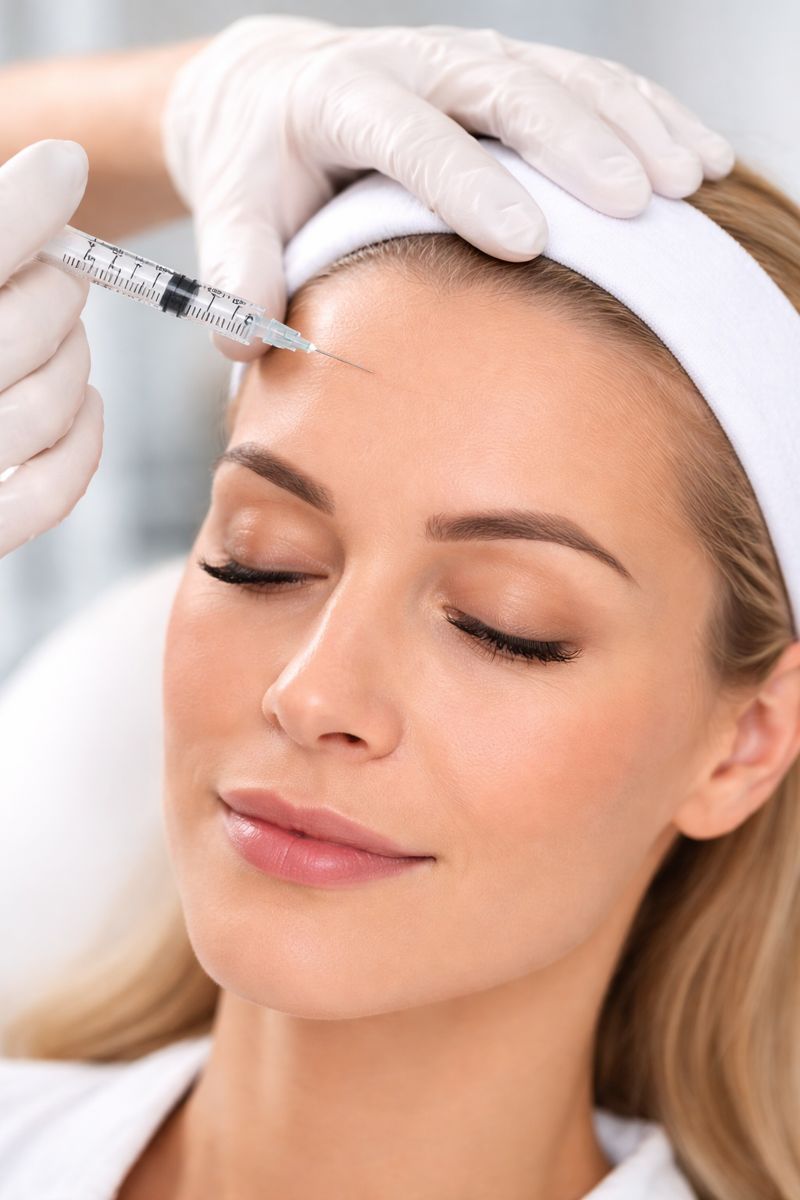
You can expect noticeable softening of forehead lines within days and clearer smoothing by two to four weeks, with results that typically last about three to four months. If you want relaxed forehead muscles and fewer horizontal creases without surgery, forehead Botox reliably delivers that outcome when performed by a skilled injector.
This post will walk you through Botox Forehead Wrinkles Before After results, explaining how Botox works on dynamic forehead wrinkles, what realistic before-and-after changes look like, and what to expect during recovery so you can decide whether this treatment matches your goals.
Understanding Botox for Forehead Wrinkles
Botox reduces muscle activity that causes lines, can soften both horizontal creases and the vertical “11s,” and suits many adults who want a non‑surgical option with temporary results. Expect noticeable smoothing in days and effects that generally last a few months.
How Botox Works on Forehead Lines
Botox is a purified neurotoxin that blocks signals between nerves and the tiny muscles that create forehead movement. When you receive injections into specific forehead muscles, those muscles relax and stop repeatedly folding the skin, which reduces both dynamic lines (visible with movement) and the resting lines that form over time.
Treatment is targeted: your injector maps the frontalis and corrugator muscles, then uses small doses at several points to balance muscle relaxation and preserve natural expression. You’ll typically see initial softening within 3–7 days and peak results by two weeks. Effects commonly last about 3–4 months before muscle activity returns.
Types of Forehead Wrinkles Treated
Botox treats two main wrinkle types on the forehead: horizontal forehead lines and vertical glabellar “11” lines between the brows. Horizontal lines arise from the frontalis muscle lifting the brow; Botox reduces their depth by limiting repeated upward motion. Vertical lines come from frowning muscles; targeted injections soften these furrows and can subtly lift the brow.
Botox works best on dynamic wrinkles caused by muscle movement rather than deep static creases from sun damage or skin laxity. For static lines, you may need adjunctive treatments such as fillers, laser resurfacing, or skin tightening to improve texture and volume alongside Botox.
Candidacy for Botox Treatments
You’re a good candidate if you’re an adult in generally good health with visible dynamic forehead lines that bother you and realistic expectations about temporary results. Candidates should avoid treatment if pregnant, breastfeeding, or using certain neuromuscular medications; disclose all medical conditions and medications during consultation.
Ideal candidates include people seeking non‑surgical refinement, those wanting to prevent deeper lines, and patients who prefer predictable, short‑term effects. A qualified injector will assess your muscle strength, facial anatomy, prior treatments, and cosmetic goals to determine dosing and injection points tailored for natural movement and balanced results.
Before and After: Realistic Outcomes
You can expect smoother forehead lines, a softer glabella (frown) area, and a subtly lifted brow when Botox works well. Results depend on dose, injection pattern, and your muscle activity.
Typical Results from Botox for Forehead Wrinkles
Most patients see a reduction in horizontal forehead creases and fewer dynamic lines when raising the brows. Expect partial to near-complete smoothing of lines created by frontalis muscle movement, not permanent erasure of static deep furrows.
Typical objective effects:
- Reduced forehead line depth when you raise your brows.
- Softer frown lines between the brows.
- Slight brow elevation in many cases, which can open the eye appearance.
Subjective outcomes vary. Satisfaction often links to natural-looking movement preservation and balanced dosing to avoid a frozen forehead.
Timeline of Visible Changes
You will usually notice the first changes within 2–4 days after treatment. Improvement continues up to 2 weeks as the toxin fully takes effect.
Expect this general timeline:
- 0–48 hours: minimal change; some patients feel mild tightness.
- Day 3–7: visible relaxation of forehead lines; everyday expression starts to look smoother.
- 10–14 days: peak effect for most people.
- 3–4 months: gradual return of muscle activity and line reappearance; retreatment timing varies by individual.
Keep in mind prior treatments, metabolism, and activity level can shorten or lengthen this schedule.
Photographic Comparisons
Before-and-after photos provide practical perspective but require consistent conditions to be useful. Look for images taken with the same lighting, neutral expression, and identical camera angle.
Key photographic checks:
- Same facial position (resting and raised brows) before and after.
- Consistent lighting and background to avoid shadow-related illusions.
- Time-stamped or clearly dated photos showing short-term (2 weeks) and medium-term (3 months) results.
Use series that include both static and dynamic expressions to assess true functional change rather than only surface smoothing.
Factors Influencing Results
Your anatomy and lifestyle directly affect outcome. Muscle strength, skin thickness, and existing static wrinkles determine how dramatic the change will be.
Important variables:
- Dosage and injection sites selected by the provider.
- Frequency of prior Botox use; regular users often need lower doses over time.
- Age and skin elasticity; older skin with static creases may need adjunct treatments (fillers, resurfacing).
- Activity and metabolic rate; very active people or those with fast metabolism may experience shorter durations.
Discuss these factors with your provider to set realistic expectations and a tailored treatment plan.




Leave a Reply