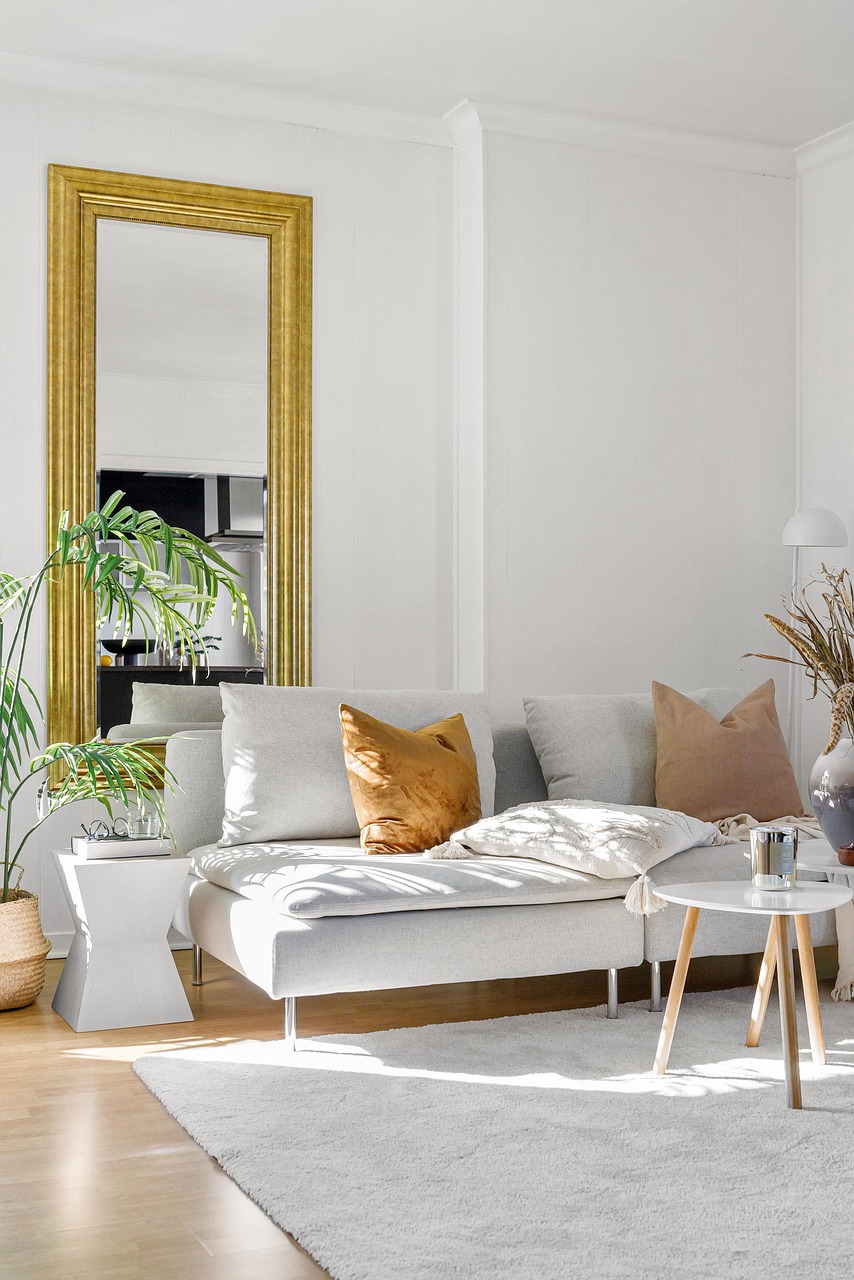
London Home Interior Design history, compact layouts, and cutting-edge style, so your design choices should balance character with practicality. Home Interior Design London focuses on proportion, lighting, and smart storage to make any London space feel larger, livelier, and truly yours.
You’ll explore how to work with period details or embrace contemporary minimalism while solving common London constraints like small rooms and limited natural light. Expect clear, usable ideas and expert approaches that help you prioritise what matters for your home.
Key Aspects of Home Interior Design in London
London homes balance history, practicality, and contemporary taste: expect a mix of period details and modern systems, layered textures, and thoughtful use of limited space to maximise light and function.
Popular Interior Design Styles
You’ll most often encounter a blend of Georgian and Victorian heritage with contemporary minimalism. In period flats, ornate mouldings, sash windows, and marble fireplaces pair with streamlined furniture to keep rooms feeling current.
In converted warehouses and modern builds, industrial elements—exposed brick, steel frames, and polished concrete—sit alongside warm timber and soft textiles to avoid a cold aesthetic.
Eclectic, collected looks are common: curated vintage pieces, bespoke joinery, and art-led schemes let you personalise a compact apartment without losing coherence.
Practical tips: choose statement furniture that suits the room’s scale, invest in quality upholstery for high-use pieces, and use rugs to define seating areas in open-plan spaces.
Role of Architecture in London Homes
Your home’s architectural bones determine layout possibilities and constraints. Terraced Georgian houses deliver high ceilings and deep cornices that invite layered lighting and tall cabinetry.
Victorian bay windows create natural seating niches and daylight opportunities but can limit furniture placement. Converted industrial properties give you open-plan volumes and large windows, requiring zoning strategies to create intimate areas.
New-builds often prioritise energy efficiency and integrated services, so you’ll need to work with fixed plumbing and mechanical routes.
Work closely with architects or joiners to adapt original features—repaired sash windows, reinstated fireplaces, and sympathetic partitions preserve character while improving function.
Color Trends and Palettes
London schemes favour restrained, adaptable palettes that work with variable daylight. Warm neutrals—taupe, clay, and soft greys—form reliable bases for layered accents.
Deep, saturated tones like indigo, forest green, and oxblood appear as cabinetry, window seat upholstery, or feature walls to add drama without overwhelming small rooms.
Metallics (brass or aged bronze) and muted pastels show up in hardware and tiles to provide subtle contrast.
Practical approach: test paint on north- and south-facing walls, pick one or two accent colours for upholstery or joinery, and use consistent trim tones to visually enlarge connected rooms.
Material Selection and Finishes
Choose materials that balance aesthetics with durability for London living. Engineered oak and reclaimed timber offer warmth and withstand urban humidity better than softwoods.
For high-traffic zones, porcelain tiles and resin-based floors give low maintenance and a range of finishes resembling stone or concrete.
Soft furnishings—wool, linen, and performance fabrics—combine comfort with cleanability for compact family homes.
Finish decisions: matte paints hide imperfections in older walls, satin or gloss suits trim and high-touch surfaces, and brushed brass or blackened iron hardware complements both traditional and contemporary schemes.
Expert Insights into London Home Interiors
You’ll find practical, site-specific strategies that balance aesthetics with function. Emphasis rests on materials, layout choices, and respecting original architectural elements.
Sustainable and Eco-Friendly Solutions
Choose materials with verified environmental credentials: FSC-certified timber for joinery, low-VOC paints, and natural fibers like wool or hemp for soft furnishings. Specify recycled metal fixtures and durable stone tiles to reduce replacement frequency.
Install high-efficiency condensing boilers or heat pumps and combine them with smart thermostats that learn occupancy patterns to cut energy use. Add LED downlights on dimmable circuits and maximize daylight with slim sightlines to reduce artificial lighting needs.
For urban homes, incorporate mechanical ventilation with heat recovery (MVHR) to improve air quality while retaining warmth. Use permeable landscaping, green roofs, or living walls on terraces where possible to manage rainwater and add biodiversity.
Space Optimization Techniques
Start by mapping fixed elements: radiators, windows, doors, and load-bearing walls. Design around these constraints rather than against them to avoid costly structural changes. Use bespoke joinery—floor-to-ceiling cupboards, under-stair storage, and integrated media units—to reclaim unused volumes.
Adopt flexible layouts: sliding pocket doors, fold-down worktops, and modular seating let you switch between functions quickly. In small London flats, prioritize clear circulation paths and keep furniture depth shallow in narrow rooms.
Employ light colors on ceilings and slim-profile skirting to visually expand rooms. Place mirrors opposite windows to multiply daylight. Finally, plan services early—stack bathrooms and kitchens vertically to reduce duct runs and free up usable space.
Incorporating Heritage Features
Identify and catalogue original features: cornices, sash windows, fireplaces, panelled doors, and exposed brick. Retain and repair these elements first; sympathetic restoration preserves character and often adds market value.
When upgrading, match replacement parts to original profiles—use traditional sash cords or slim double glazing that fits existing frames. Integrate modern systems discreetly: run wiring through skirting, use secondary glazing for thermal performance, and conceal speakers in joinery.
Make modern interventions legible but restrained. Contrast contemporary kitchen units or lighting with restored architectural details to highlight both. Where regulations apply, consult conservation officers early to align your design with local heritage requirements.





Leave a Reply