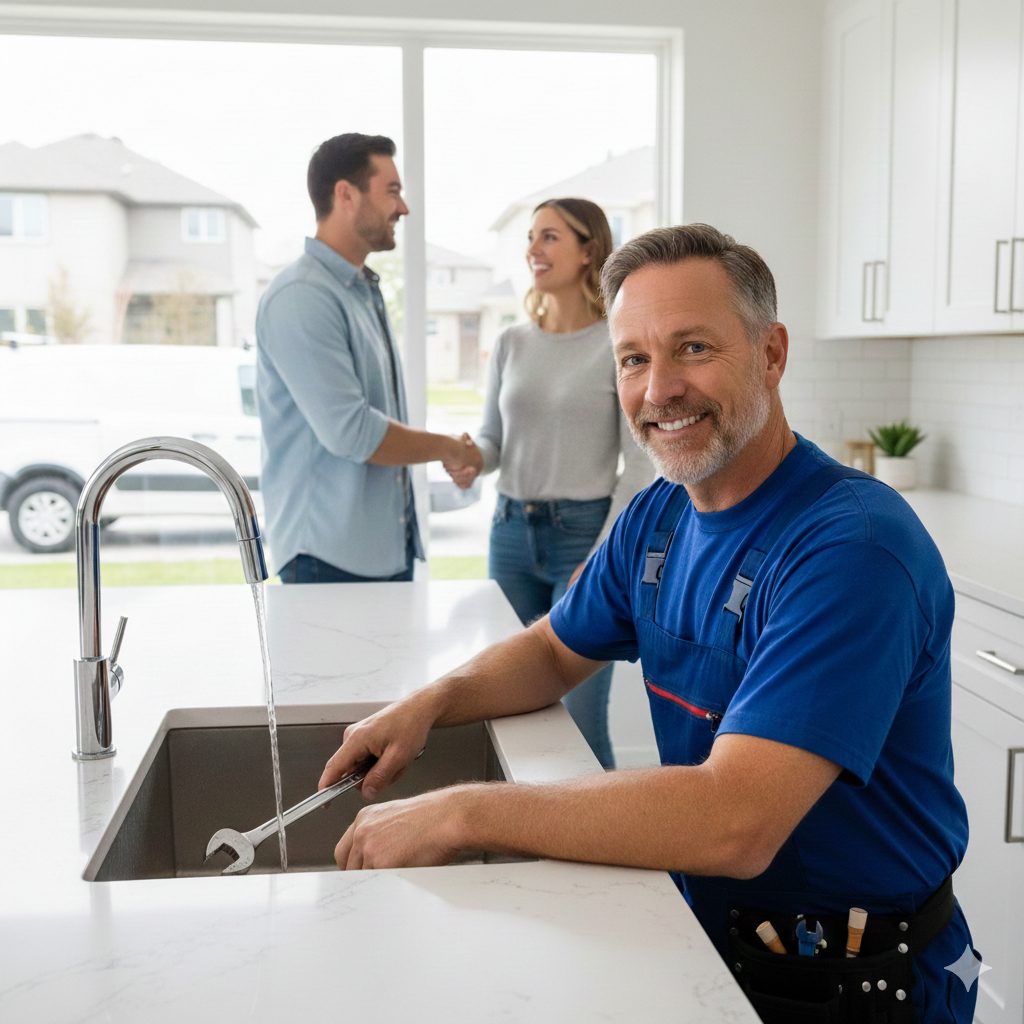
A sudden leak, burst pipe, or failed water heater can derail your day and damage your home. Call a licensed 24/7 emergency plumber as soon as you spot signs of a serious problem—fast response and professional containment prevent bigger repairs and higher costs.
This article shows what emergency plumbers do, how they prioritize safety and stop damage, and what to expect from on-call repairs and temporary fixes. You’ll learn how to evaluate credentials, response times, and guarantees so you can pick a reliable pro when every minute counts.
Emergency Plumber Services
You can expect round‑the‑clock response, prioritized safety measures, and a clear cost estimate before work begins. Technicians will assess leaks, shut off water if needed, and provide temporary or permanent repairs depending on the situation.
24/7 Plumbing Solutions
When a plumbing emergency hits at night or on a holiday, you need access to licensed plumbers who operate 24/7 and arrive prepared. Look for services that explicitly offer after‑hours dispatch, dispatcher-estimated arrival times, and technicians stocked with common parts like pipe fittings, repair clamps, and replacement valves.
You should confirm whether the company charges an emergency call fee and if that fee covers diagnostics or only the initial visit. Ask about payment methods accepted on arrival and whether they provide itemized written estimates before starting work.
Many providers also offer phone triage to help you take immediate steps—like turning off the main water supply or safely isolating a leaking fixture—before the technician arrives.
Common Plumbing Emergencies
Burst pipes and major leaks top the list because they cause rapid water damage and mold risk. Overflowing toilets and sewer backups create health hazards and require immediate containment and sanitation.
Gas line leaks are an emergency only if plumbing contractors coordinate with utility providers; if you suspect gas, leave the property and call the gas company first. Water heater failures that produce flooding or expose electrical components also demand urgent attention.
You should prioritize incidents that threaten structural elements, electrical systems, or sanitary conditions. For all emergencies, document the damage with photos for insurance claims and keep receipts for repairs.
Fast Response and Arrival Times
Response time varies by provider and location; typical urban arrival windows run from 30 minutes to two hours for emergency calls. Confirm whether the company uses local dispatch teams versus traveling crews, since local teams usually arrive faster.
Ask for an estimated arrival time when you call and a direct contact number for the technician en route. Reliable services update you if the ETA changes and show proof of licensing and insurance upon arrival.
If immediate containment is possible (shutting a valve, placing a bucket, turning off power to a damaged appliance), the technician can focus on permanent repairs faster and reduce overall cost and damage.
Types of Emergency Repairs
Emergency plumbers commonly perform: pipe patching or replacement for burst lines, sewer line clearing and repair for backups, toilet and drain unclogging, and water heater leak containment or replacement. They also handle frozen pipe thawing and emergency valve replacements.
Repairs may be temporary (clamps, epoxy, shutoffs) to stop the immediate harm, followed by scheduled permanent fixes such as repiping, new fixtures, or sewer line excavation. Your technician should explain which approach they recommend and why, plus provide timelines.
For electrical‑adjacent issues—like water near a breaker panel—plumbers coordinate with electricians. For gas‑related problems, they coordinate with the utility and follow safety shutoff procedures before repair.
Choosing a Reliable Emergency Plumber
You need a plumber who is licensed, transparent about cost, and well-regarded locally. Focus on credentials, written estimates, and recent customer feedback to make a quick, confident choice.
Certifications and Experience
Check for a valid state plumbing license and proof of insurance before you hire anyone. A license verifies they passed required exams and comply with local codes; insurance protects your home if something goes wrong.
Ask how many years they’ve handled the specific emergency you face—burst pipe repairs, sewer backups, or gas-line work require different experience. Request references or examples of similar jobs and whether technicians are full-time employees or subcontractors.
Look for manufacturer certifications for specialized equipment (e.g., water heaters, sump pumps, camera inspection tools). Those certifications indicate formal training on the tools they’ll use in your home. Keep copies of license numbers and insurance details for your records.
Transparent Pricing and Estimates
Require a written estimate before work begins, even for emergency calls. The estimate should list labor rate, parts, diagnostic fees, and any after-hours or trip charges so you compare offers fairly.
Ask how they handle unknowns discovered during the repair. A clear policy will state whether they will stop and call you for approval or proceed up to a capped amount. Get an itemized final invoice showing parts, labor hours, and taxes.
Beware of vague “too-good-to-be-true” flat rates on websites. Those can mask add-on fees. Confirm accepted payment methods and whether they offer emergency service guarantees or warranty terms in writing.
Customer Reviews and Local Reputation
Read recent online reviews focusing on emergency response time, punctuality, and whether the plumber fixed the problem the first time. Prioritize reviewers in your town or neighborhood for more relevant insight.
Check business listings for consistent contact information and how long the company has been at that address. Call the Better Business Bureau or local trade association for complaints or disciplinary actions.
Ask neighbors, building management, or your insurance agent for recommendations. A technician recommended by someone you trust often provides the most reliable, timely service in a crisis.




Leave a Reply