You rely on your Furnace Repair which keep your home safe and comfortable, so quick action matters when it falters. If your furnace is making strange noises, not producing heat, or driving up your bills, you can troubleshoot a few simple items yourself and know when to call a licensed professional to avoid bigger damage.
This post walks you through common faults, basic fixes you can try, and what to expect from professional furnace repair services so you can get heat restored reliably and efficiently. Stay with this guide to learn practical steps that save time, reduce risk, and help you decide the right moment to bring in an expert.
Common Furnace Repair Issues
Most furnace problems start with identifiable signs: uneven heat, strange sounds, odd smells, or thermostat errors. Identifying the specific symptom lets you decide whether to try basic troubleshooting or call a qualified HVAC technician.
Signs Your Furnace Needs Repair
Watch for these clear indicators that your furnace needs attention. If some rooms stay colder than others for more than a few days, check the air filter and vents first. Persistent uneven heating often points to clogged filters, blocked ducts, or a failing blower motor.
Frequent short cycling—where the furnace turns on and off every few minutes—reduces efficiency and stresses components. Causes include an oversized system, a dirty flame sensor, or a malfunctioning thermostat.
If your energy bills rise without increased use, a drop in efficiency from a dirty heat exchanger, leaking ducts, or failing ignition components could be the reason.
Troubleshooting Heating Problems
Start with simple checks you can safely do: confirm the thermostat is set to heat and to a temperature above room level. Replace a dirty filter and make sure all supply vents are open and unobstructed.
If the furnace won’t start, check the breaker and the emergency shutoff switch near the unit.
For a furnace that runs but produces little or no heat, inspect the pilot light or electronic ignition. A weak or intermittent flame often means a dirty burner or faulty ignition control. If you smell gas, leave the home immediately and call your gas supplier or emergency services; do not attempt repairs.
Unusual Noises or Smells
Different noises point to different problems. Rattling often means a loose panel or duct; tighten screws and inspect panels. Squealing usually signals a worn blower belt or motor bearing that needs replacement.
A loud booming noise at start-up can indicate delayed ignition where gas builds up then ignites; this requires professional inspection of the ignition system and combustion chamber.
Smells require quick action. A dusty odor when the system first runs after a long off-season is normal and should dissipate after a short time. A persistent burning plastic or electrical smell suggests an overheated motor or wiring issue—turn the system off and call a technician. A rotten-egg or sulfur smell indicates a gas leak; evacuate and contact authorities immediately.
Thermostat Malfunctions
Thermostat problems often mimic furnace failures but are easier to diagnose. Start by replacing batteries in battery-powered models and confirming the thermostat is set to the correct mode (heat, not fan or cool).
Check thermostat placement: if it sits near drafts, direct sunlight, or heat-producing appliances, it may read room temperature inaccurately and short-cycle the furnace.
If the thermostat display is blank or unresponsive, verify the circuit breaker and HVAC power switch. For programmable and smart thermostats, confirm Wi‑Fi connection and recent firmware updates. When the furnace doesn’t respond to correct thermostat settings, test by raising the setpoint several degrees; no response typically means a wiring issue or failed control board—both of which usually require a professional.
Professional Furnace Repair Services
Find a technician with proper licensing and good local reviews, understand typical repair cost ranges and get a written estimate, and follow straightforward maintenance steps to reduce breakdowns and extend equipment life.
Choosing a Qualified Technician
Look for technicians who hold HVAC certifications (like NATE) and a valid state or provincial license. Ask to see those credentials and confirm insurance coverage; this protects you if something goes wrong during service.
Check recent, local reviews and request references from neighbors or community groups. Prefer companies that offer written warranties on parts and labor—standard warranties run 30–365 days depending on the provider and the part replaced.
Request a detailed scope of work before any repair begins. A professional will inspect the furnace, identify failed components (ignitor, motor, control board, limit switch), and explain why each repair is necessary so you can make an informed decision.
Costs and Estimates for Repairs
Expect common repairs to fall in predictable ranges: thermostat or sensor adjustments ($75–$200), blower motor or capacitor replacement ($200–$700), and control board or heat exchanger work ($400–$2,500). Prices vary by furnace type and part availability.
Always get at least one written estimate that breaks out parts, labor, diagnostic fees, and any warranty. Ask whether emergency or same-day service incurs additional charges and whether you’ll pay a flat diagnostic fee that’s credited toward repair if you proceed.
Compare estimates on equal terms. If one quote seems far lower, confirm the brand and quality of replacement parts, the length of labor warranty, and whether the technician will perform safety checks like carbon monoxide testing after the repair.
Preventative Maintenance Tips
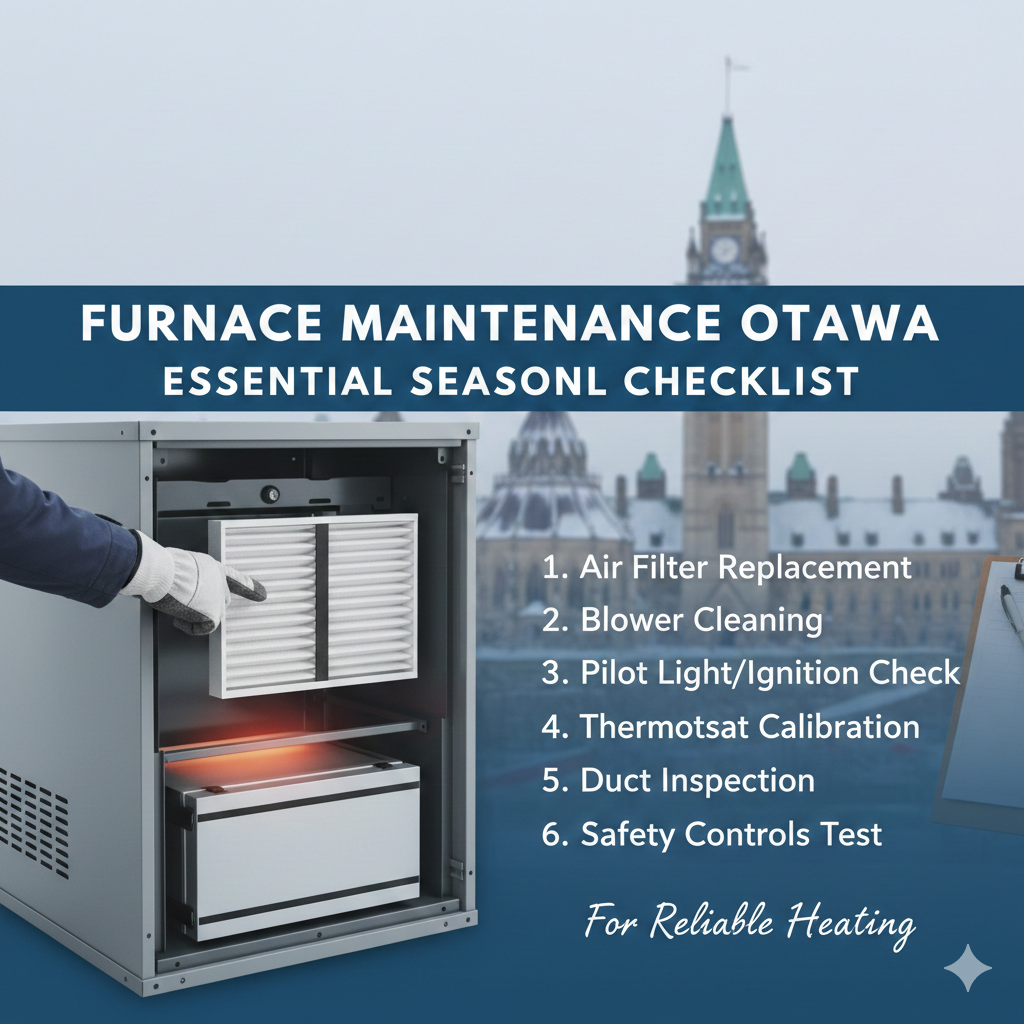
Schedule an annual heating tune-up in the fall to inspect combustion, clean burners, test safety controls, and measure system efficiency. Routine service typically includes filter replacement, belt inspection, and lubrication of moving parts.
Replace disposable air filters every 1–3 months based on filter MERV rating and household conditions. A clogged filter increases blower strain and raises the risk of overheating or premature motor failure.
Keep the furnace area clear of stored items and check vents for obstructions. Monitor for early warning signs—strange noises, uneven heating, rising fuel bills, or frequent cycling—and call for service before a minor issue turns into an emergency.


Leave a Reply