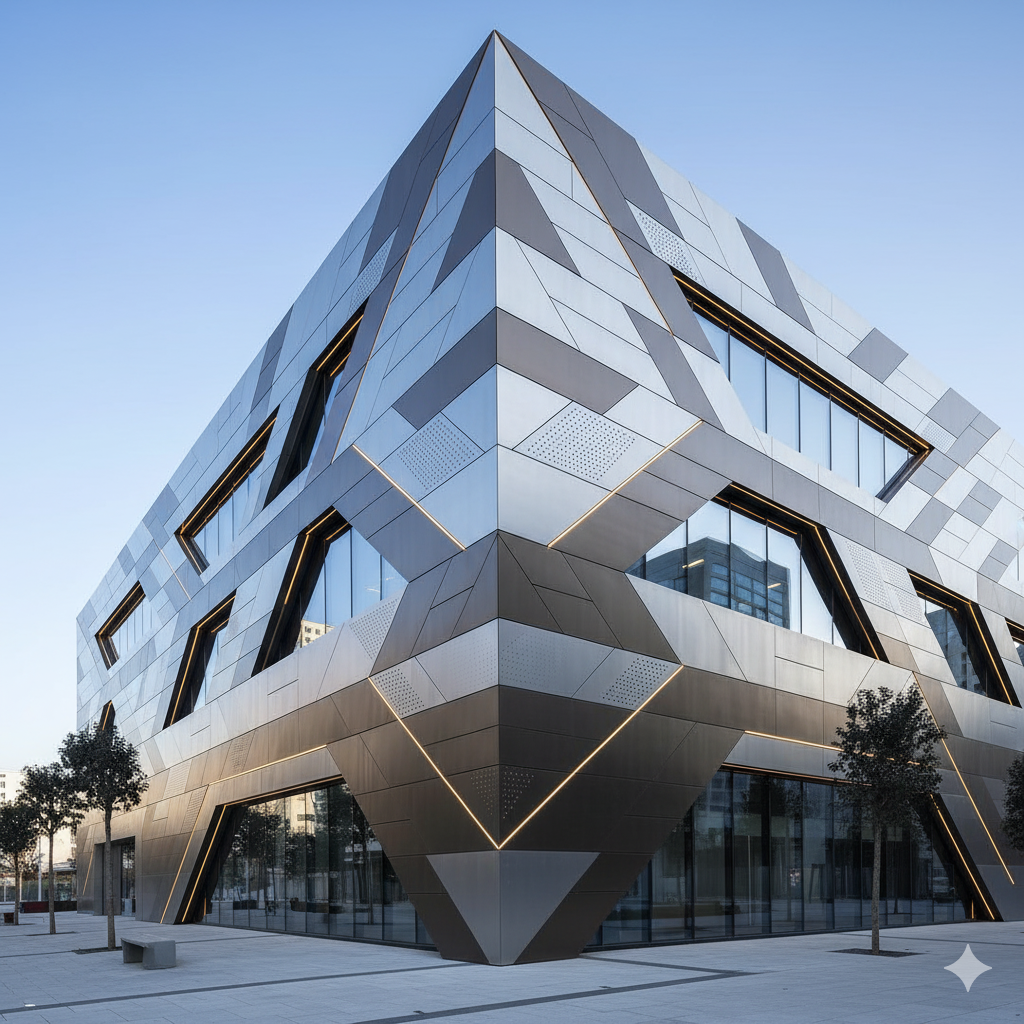
You need ACM panel installers who ensure panels fit, perform, and last in your climate and budget. Choose installers who combine certified techniques, weather-appropriate materials, and proven fastening systems to guarantee a safe, durable, and attractive façade. That decision saves you time, avoids costly rework, and preserves the design intent.
This article walks through the technical essentials you must verify—panel types, attachment methods, fire and moisture considerations, and installer qualifications—so you can evaluate bids with confidence. It also shows how to spot experienced installers who follow current best practices and local code requirements, helping you hire a team that delivers on schedule and to spec.
ACM Panel Installation Essentials
You’ll learn what ACM panels are, how installers attach them, which materials and tools you must have, and the common problems to plan for. Focus on compatibility with structural supports, weatherproofing, and safe, code-compliant fastening.
Understanding ACM Panels
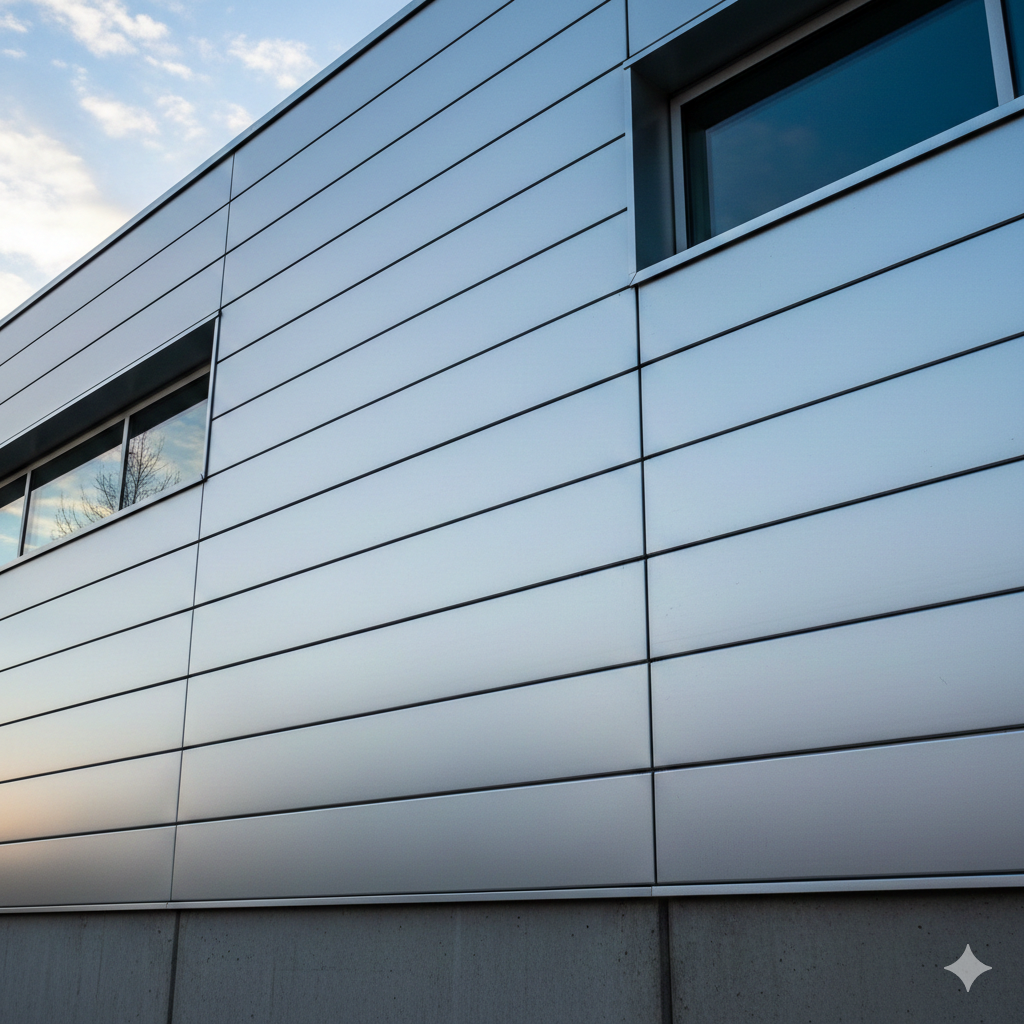
ACM (aluminum composite material) panels are sandwich panels: two thin aluminum skins bonded to a core (polyethylene or fire-retardant mineral). You must know the core type because it determines fire classification, thermal behavior, and acceptable uses under local code.
Panel thickness, face finish (PVDF, fluoropolymer, anodized), and panel size affect handling and support spacing. Lighter panels reduce framing loads but may require closer support spacing. Thermal expansion is significant; design joints and clips to allow movement of roughly 2–4 mm per meter depending on temperature range.
You should verify manufacturer data for bending radius, maximum unsupported span, and recommended fastener patterns before cutting or fastening. Use certified testing and product data sheets to confirm wind load capacity for your building’s exposure zone.
Installation Process Overview
Start with substrate inspection: confirm flatness, rigidity, and a continuous weather-resistive barrier. Install a ventilated rainscreen cavity to prevent moisture buildup and support pressure equalization.
Set up a vertical or horizontal subframe—typically aluminum or galvanized steel—anchored to primary structure at the spacing required by the panel manufacturer. Install adjustable brackets or rails to achieve plumb and allow fine leveling.
Fit panels from bottom to top or corner out, using clip systems or through-fastening as specified. Leave manufacturer-recommended expansion gaps at panel edges and terminations; sealant goes only where specified to avoid trapping moisture. Finish with trim, flashings, and weep or drainage paths at sills and transitions.
Key Materials and Tools
Essential materials: ACM panels rated for your fire code, compatible clip systems, adjustable rails, corrosion-resistant fasteners, backer flashings, and a tested weather-resistant barrier. Use neoprene or EPDM gaskets where dissimilar metals meet.
Required tools include a panel shear or CNC router for cutting, a torque-controlled drill, levels and laser plumb, rivet guns, and a lift or suction lifters for large panels. Carry stainless steel or coated fasteners and recommended sealants specified by the panel and clip manufacturers.
Keep safety gear: gloves, eye protection, fall arrest equipment, and respirators for any cutting that may release particulates. Maintain a quality-control checklist: alignment tolerance, fastener torque, and sealant bead dimensions.
Common Challenges
Thermal movement, improper drainage, and incorrect fastener selection cause most failures. If you fix panels rigidly without expansion capacity, buckling or paint failure appears within months.
Moisture entrapment behind the panels leads to corrosion of subframes and mold on the weather barrier. Ensure continuous air gap and install drainage paths at transitions and penetrations.
Cutting and handling errors create edge delamination or finish damage. Use manufacturer-approved cutting tools and protect finished faces with removable film until project completion. Finally, verify wind-load attachment schedules and inspect torque and clip spacing to prevent panel blow-out in high-wind areas.
Selecting Professional ACM Panel Installers
Vet installers for certified training, proven project experience, and strict adherence to fire and building codes. Prioritize installers who document qualifications, show completed projects similar to your scope, and maintain up-to-date safety programs.
Qualifications and Certifications
Check that the installer holds manufacturer-specific certifications for the ACM product you plan to use. Manufacturers like Reynobond, Alpolic, and others require trained installers for warranty eligibility; ask for copies of those certificates.
Confirm trade credentials and business licenses next. Look for a contractor’s license in your jurisdiction, proof of company insurance (general liability and workers’ comp), and any membership in trade associations such as the Metal Cladding Association or local contractors’ boards.
Request proof of technician training and continuing education. Specific hands-on training in ACM panel cutting, rivet and concealed-fastener systems, and thermal movement detailing reduces installation errors and long-term issues.
Evaluating Experience and Portfolio
Ask for a project portfolio with photos and contactable references for at least three completed jobs similar in scale and system type to yours. Prioritize projects that match your building height, substrate (concrete, metal, or wood), and chosen attachment method (rainscreen, wet-set, or through-fastened).
Inspect recent project records for quality indicators. Look for evidence of straight joints, uniform reveal spacing, correct flashings, and effective water management details. Request documentation of any warranty claims and how they were resolved.
Visit a completed site when possible. Seeing finished work and speaking with property owners reveals how the installer handles site protection, cleanup, scheduling, and punch-list completion. Include timeline performance and subcontractor coordination in your assessment.
Safety Standards Compliance
Require a written safety program and proof of OSHA (or local equivalent) compliance for your jobsite. The installer should provide a site-specific safety plan, fall-protection procedures for working at height, and records of safety training for crew members.
Confirm fire-safety awareness and materials handling procedures. Ask how the crew protects against heat transfer, avoids compromising fire-rated assemblies, and stores combustible materials on site. For non-combustible panel systems, verify testing references and any modifications that affect ratings.
Request inspection and testing protocols. The installer should schedule mock-ups, water infiltration tests, and final inspections, and keep incident logs. Ensure they use calibrated tools, documented torque settings for fasteners, and maintain traceable material certificates for warranty and code inspections.


Leave a Reply